
Related Blogs


Why Adult ADHD Often Goes Undiagnosed
6 minutes, 59 seconds
-10 Views 0 Comments 1 Like 0 Reviews
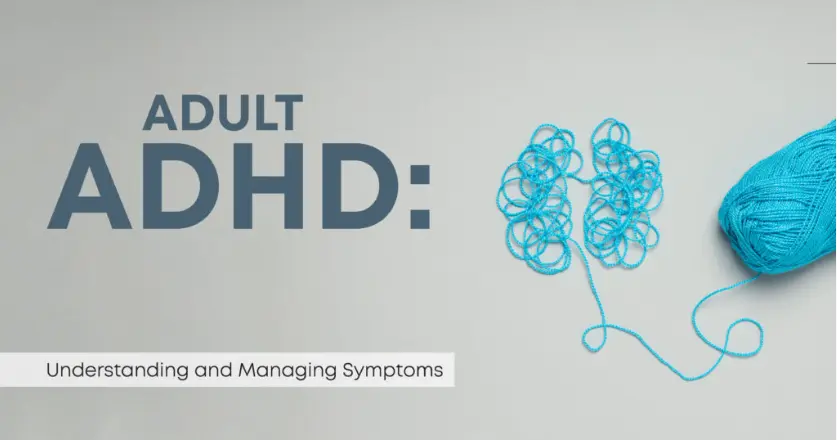
A quiet shift has been happening in how adult ADHD is talked about. More adults are discovering, often in their thirties, forties, or later, that the condition they thought was something only kids had explains a lot about their own lives. The recognition can be a relief, a source of grief, and a reorientation all at once.
The question of why so many adults go undiagnosed for so long is worth taking seriously. The answer sits at the intersection of outdated clinical models, cultural assumptions, and the specific ways many adults with ADHD have learned to mask what they are dealing with.
The Old Model & What It Missed
For decades, ADHD was framed primarily as a childhood condition. The clinical picture was a hyperactive boy who could not sit still in class. Research, assessment tools, and public awareness all built around that image.
That model missed a lot of people. Girls with ADHD often presented differently, with more inattentive symptoms and less visible hyperactivity. Many were assumed to be daydreamers rather than kids struggling with a neurological difference. Adults were rarely considered at all, since the field assumed people grew out of ADHD after childhood.
Research over the past two decades has steadily corrected the picture. Current evidence shows that most children with ADHD continue to have it in adulthood, though the presentation often changes. The hyperactivity becomes more internal, showing up as restlessness, racing thoughts, or difficulty relaxing. The attention regulation issues remain, often becoming more apparent as adult responsibilities multiply.
Why Diagnosis Is Often Delayed
Several factors keep adult ADHD underdiagnosed.
Many adults with ADHD have spent their whole lives developing strategies to appear typical. They work longer hours, create elaborate systems, or push themselves harder to produce what others produce naturally. The masking is often successful enough that no one around them sees the struggle.
Girls and women have been systematically under-diagnosed. Many women do not get identified until adulthood, often after their own children receive a diagnosis.
ADHD rarely appears alone. Anxiety, depression, and other conditions often get diagnosed first, and ADHD gets missed as the underlying driver.
In many cultures, the behavior patterns associated with ADHD get read as moral failings. Laziness, carelessness, or lack of discipline becomes the explanation rather than a neurological difference.
Many general practitioners and even some mental health professionals received limited training on adult ADHD. The assessment can be subtle, and clinicians who are not familiar with the adult presentation sometimes miss it.
What Late Diagnosis Looks Like
For adults who finally get diagnosed, the experience often includes several layers.
First comes relief. Having a name for patterns they have struggled with for years lifts a specific kind of shame. Many adults describe the diagnosis as the first time their experience has made sense to them.
Then comes grief. Looking back at years of effort, missed opportunities, or self-blame produces real sadness. The person who could have known this earlier mourns the version of their life that might have been.
Then comes reorientation. New information changes what tools are available and what explanations fit. The work of integrating the diagnosis into daily life takes time, often months or years.
Underdiagnosis has real consequences. Adults who do not know they have ADHD often blame themselves for struggles that have a neurological basis. They may push through at great cost. They may try strategies designed for different brains and conclude they are failing when the strategies are just not a fit.
Diagnosis opens access to tools that work with the brain rather than against it. These include medication, which helps many adults significantly, and behavioral strategies specifically designed for ADHD. Both can shift what daily life feels like.
The broader culture is slowly catching up. Workplaces are becoming more aware. Educational institutions are expanding support. Social media has given adults with ADHD a platform to share their experiences, which has helped many people recognize themselves.
For adults who suspect they have ADHD or have recently been diagnosed, working with counselors familiar with adult ADHD can help. Practices such as Artisan Counseling in Virginia work with adults on the practical and emotional sides of the diagnosis, from building strategies that fit the brain to processing the grief and relief that often come with late recognition.
Counseling can also help with the common companions of ADHD, including anxiety, low self-worth, and the long-term effects of years spent not knowing why things felt so hard.
Recognizing adult ADHD is often less about getting a label and more about finding a frame that finally fits. For many adults, that recognition is a turning point. The patterns they have struggled with get a name, the tools that actually help become available, and the self-blame that came from not knowing can finally start to ease. That is not a small thing. It is the beginning of a different relationship with yourself.

Photos


Share this page with your family and friends.