
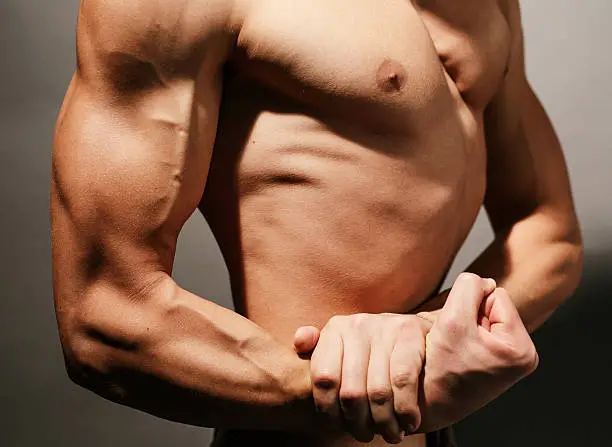
You've made it through surgery, the bandages are off, and you're eager to see your new chest—only to find it swollen, puffy, and nothing like the flat contour you imagined. Gynecomastia Surgery in Riyadh(جراحة التثدي في الرياض) Before panic sets in, understand this: swelling after gynecomastia surgery is not a complication. It's a normal, expected, and temporary part of healing. Knowing why it happens and how long it lasts prevents unnecessary worry and helps you judge your results fairly. For anyone undergoing Gynecomastia Surgery in Riyadh, understanding swelling is essential for a calm, confident recovery.
Why Swelling Happens After Surgery
The Body's Inflammatory Response
Surgery creates controlled trauma. In response, the body sends fluid, white blood cells, and healing factors to the surgical site. This inflammatory response is essential for healing—but it causes visible swelling.
Fluid Accumulation
During surgery, spaces are created between tissues as glandular tissue and fat are removed. The body fills these spaces with fluid as part of the healing process. Compression garments and drains help manage this fluid, but some swelling is inevitable.
Tissue Trauma From Liposuction
Liposuction involves passing a cannula through tissues, which causes trauma and swelling. Even with gentle technique, the body responds with inflammation and fluid retention.
Anesthesia Effects
Anesthesia and intravenous fluids can contribute to temporary fluid retention throughout the body, including the chest area.
Why Swelling Varies
Some patients swell more than others due to genetics, surgical extent, healing response, and compliance with aftercare instructions. For Gynecomastia Surgery for Men in Riyadh, personalized aftercare guidance helps manage expectations.
How Long Swelling Lasts: A Timeline
Days One to Three: Peak Swelling
Swelling is typically most pronounced in the first two to three days after surgery. The chest may look fuller than before surgery in some cases—this is temporary and expected.
Week One: Gradual Improvement
Swelling begins subsiding as drains are removed and compression garments do their work. Bruising may become more visible as it spreads and fades.
Weeks Two to Four: Noticeable Reduction
Significant swelling resolves during this period. Contours become more visible, though residual swelling persists—particularly in the lower chest.
Months Two to Three: Substantial Resolution
Most swelling has resolved by three months. Chest contours are clearly visible, and patients feel increasingly satisfied with results.
Months Three to Six: Final Contours Emerge
Residual swelling continues resolving. Final chest contour becomes apparent, and most patients see the result they'll maintain long-term.
Beyond Six Months: Stabilization
Swelling is essentially resolved. Minor changes occur with weight fluctuations and aging, but the surgical result is stable. For Gynecomastia Surgery in Riyadh, this timeline guides realistic expectations.
Factors That Influence Swelling Duration
Surgical Extent
More extensive procedures—combined liposuction and excision—typically involve more swelling than limited corrections.
Individual Healing Response
Some patients are simply more prone to swelling. Genetics, age, and overall health influence healing speed.
Compression Garment Compliance
Wearing compression garments as instructed is one of the most effective ways to reduce swelling. Non-compliance prolongs it.
Drain Usage
Drains remove fluid and reduce swelling. Patients without drains may experience slightly more swelling initially.
Activity Level
Overexertion too soon increases swelling. Rest and gradual activity resumption support faster resolution.
Diet and Hydration
High sodium intake worsens fluid retention. Proper hydration and balanced nutrition support healing. For Gynecomastia Surgery for Men in Riyadh, dietary guidance is part of comprehensive aftercare.
How to Reduce Swelling
Wear Compression Garments
Compression is your best tool against swelling. Wear garments as instructed—typically four to six weeks, sometimes longer.
Elevate Your Chest
When resting, keep your upper body elevated slightly to encourage fluid drainage.
Stay Hydrated
Proper hydration supports circulation and fluid balance. Drink water consistently.
Reduce Sodium
Limit salty foods that promote fluid retention. Choose fresh, whole foods.
Gentle Walking
Light walking supports circulation and healing without increasing swelling. Avoid strenuous activity.
Avoid Heat
Saunas, hot showers, and sun exposure increase swelling. Keep water lukewarm and protect incisions.
Attend Follow-Ups
Regular check-ins allow your surgeon to monitor swelling and address concerns early.
When Swelling May Signal a Problem
Seroma
A fluid collection that persists or enlarges may indicate seroma—requiring drainage. Contact your surgeon if swelling increases rather than decreases.
Hematoma
A blood collection causes rapid, painful swelling and bruising. This requires prompt medical attention.
Infection
Spreading redness, warmth, fever, or unusual discharge may indicate infection—contact your surgeon immediately.
Persistent Asymmetry
Significant asymmetry that remains after six months may warrant evaluation.
Understanding the Cost of Gynecomastia Surgery in Riyadh
Understanding the Cost of Gynecomastia Surgery in Riyadh helps patients plan. But proper aftercare—compression, hydration, and activity management—protects your investment more than any cost consideration.
Conclusion
Swelling after gynecomastia surgery is normal, expected, and temporary. It peaks in the first days, resolves substantially by three months, and stabilizes by six months. Compression garments, hydration, low-sodium eating, and gentle activity support faster resolution. For those considering Gynecomastia Surgery in Riyadh, understanding this timeline prevents premature judgment and unnecessary worry. The Cost of Gynecomastia Surgery in Riyadh matters for planning, but patience and aftercare determine your outcome. Trust the process—swelling is a sign of healing, not a setback, and your final results are worth the wait.
Book Your Consultation Today
For those seeking expert guidance and customized aesthetic care, you can book an appointment consultation at the 'Enfield Royal Riyadh(إنفيلد رويال الرياض).
FAQs
Why is my chest swollen after gynecomastia surgery?
Swelling is a normal inflammatory response to surgical trauma and fluid accumulation during healing.
How long does swelling last after gynecomastia surgery?
Swelling peaks in the first days, resolves substantially by three months, and stabilizes by six months.
What helps reduce swelling after gynecomastia surgery?
Compression garments, hydration, low-sodium diet, elevation, and gentle walking support faster resolution.
When should I worry about swelling?
Contact your surgeon if swelling increases rather than decreases or is accompanied by pain, redness, or fever.
What is the Cost of Gynecomastia Surgery in Riyadh?
Pricing varies by surgeon expertise and complexity; proper aftercare and qualified surgery matter more than cost.


Share this page with your family and friends.