
Related Blogs


Stair Lift Financing Options and Maintenance Services: A Complete Guide to Safe and Affordable Mobility
11 minutes, 39 seconds
-16 Views 0 Comments 1 Like 0 Reviews
Maintaining independence at home is important for people with mobility challenges, seniors, and individuals recovering from injuries. However, climbing stairs can become difficult or unsafe as physical abilities change. A stair lift offers a practical solution by allowing individuals to move between floors comfortably without relying on constant assistance. While purchasing and installing a stair lift can be a valuable investment, understanding stair lift financing options and ongoing maintenance requirements is essential for making an informed decision.
Choosing the right equipment involves more than comparing prices. Homeowners should consider installation expenses, available payment plans, product reliability, and the long-term care needed to keep the system operating safely. With proper planning, a stair lift can improve accessibility, reduce the risk of falls, and help individuals continue living comfortably in their own homes.
Understanding the Benefits of Installing a Stair Lift
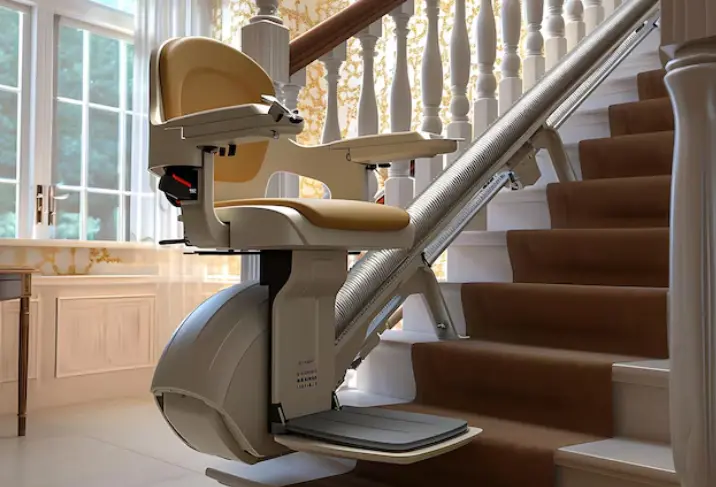
A stair lift is a motorized mobility device that travels along a rail installed beside a staircase. Users sit on a seat attached to the system and operate simple controls to move between floors. Most models include safety belts, armrests, footrests, and sensors designed to detect obstacles.
Stair lifts are available for straight and curved staircases, allowing homeowners to find solutions that fit different architectural layouts. Some models also include folding seats and footrests to preserve walking space when the equipment is not in use.
For many households, installing a stair lift can help delay or avoid the need to move to a different home simply because stairs have become challenging. The equipment supports greater independence while helping family members feel more confident about a loved one's safety.
Exploring Different Stair Lift Financing Options
The initial cost of purchasing and installing a stair lift can vary depending on the staircase design, equipment features, and installation requirements. Fortunately, several stair lift financing options may help homeowners manage the expense without paying the entire amount upfront.
One common option is financing through a mobility equipment provider. Some companies offer installment plans that allow customers to spread payments over an agreed period. Depending on the provider and the applicant's eligibility, these arrangements may include fixed monthly payments and different repayment terms.
Another possibility is using a personal loan. Homeowners who qualify may obtain funds from a bank, credit union, or other lender to cover equipment and installation costs. Comparing interest rates, fees, and repayment periods can help determine whether this approach fits the household budget.
Some providers may also offer promotional financing for eligible customers. These offers should be reviewed carefully because introductory terms, deferred interest, and late-payment conditions can affect the total amount paid.
Homeowners may additionally consider using savings or a home improvement budget. Although paying upfront can eliminate borrowing costs, it is important to retain sufficient funds for emergencies and other essential expenses.
Evaluating the Total Cost of a Stair Lift
When reviewing stair lift financing options, customers should look beyond the advertised equipment price. The complete investment may include delivery, professional installation, electrical work when necessary, safety accessories, and future servicing.
Straight stair lifts are generally simpler to install than curved systems because curved models must accommodate the staircase's specific shape. Custom manufacturing requirements can increase the overall expense.
Before selecting a financing arrangement, request a detailed written estimate that identifies the equipment, installation charges, warranty coverage, and any additional fees. Comparing multiple estimates can reveal meaningful differences in value.
It is also helpful to calculate the total repayment amount rather than focusing exclusively on the monthly payment. A plan with a lower monthly installment may cost more over time if it includes a longer repayment period or a higher interest rate.
Why Stair Lift Maintenance Service Matters
After installation, regular care is essential for keeping a stair lift dependable. A professional stair lift maintenance service helps identify developing problems, check important safety components, and maintain the equipment according to the manufacturer's recommendations.
Routine inspections may include examining the rail, checking the seat and safety belt, testing operating controls, and confirming that safety sensors respond correctly. Technicians may also inspect electrical connections, batteries, charging contacts, and other components relevant to the specific model.
Regular servicing can help identify unusual noises, inconsistent movement, charging problems, or worn parts before they become more serious. Although maintenance cannot prevent every malfunction, it can reduce avoidable breakdowns and help extend the equipment's useful life.
Homeowners should follow the manufacturer's cleaning and maintenance instructions rather than attempting repairs that require specialized knowledge. Electrical and mechanical components should be handled by qualified professionals whenever servicing goes beyond basic user care.
Creating a Practical Maintenance Schedule
The appropriate maintenance schedule depends on the stair lift model, how frequently it is used, and the manufacturer's recommendations. Many homeowners benefit from arranging periodic professional inspections and scheduling additional service whenever warning signs appear.
Between professional visits, users can perform simple visual checks. They should keep the staircase and rail area clear of objects, observe whether the seat and footrest fold correctly, and pay attention to changes in movement or sound.
Battery-powered systems require particular attention to charging. Users should follow the manufacturer's guidance for parking the lift at its charging point and responding to battery indicators. Allowing batteries to deteriorate can lead to unexpected interruptions and replacement expenses.
A professional stair lift maintenance service may also help homeowners understand which components require periodic replacement and which issues need immediate attention. Keeping service records provides a useful history of repairs, inspections, and replacement parts.
Recognizing Signs That Professional Service Is Needed
Stair lifts often provide warning signs when something is not functioning correctly. These may include sudden stopping, unusual grinding sounds, slower travel, intermittent operation, or warning lights that remain illuminated.
Other concerns include a seat that does not lock securely, a safety belt that fails to operate properly, or sensors that do not respond as expected. If any safety-related problem occurs, users should stop operating the lift until it has been assessed by a qualified technician.
Attempting to bypass safety features or repair internal components without the necessary training can create additional hazards. Prompt professional attention is generally the safer approach and may prevent a relatively minor issue from developing into a more expensive repair.
Combining Financing and Maintenance Planning
Purchasing a stair lift is a long-term accessibility decision, so financial planning should include both the initial installation and future operating expenses. A manageable payment plan is helpful, but homeowners should also reserve funds for inspections, battery replacements, and occasional repairs.
When comparing stair lift financing options, ask providers whether maintenance plans are available separately or as part of a service package. Review what each package covers, how often inspections occur, and whether replacement parts or emergency visits involve additional charges.
It is equally important to understand warranty terms. Some warranties cover specific components for a defined period but exclude routine maintenance, accidental damage, or certain labor costs. Knowing these details can help prevent unexpected expenses.
Homeowners should also ask about technician availability, typical service response times, and access to replacement parts. Reliable support can make a significant difference if the equipment stops working when it is needed most.
Choosing the Right Provider
A trustworthy stair lift provider should offer clear pricing, suitable equipment recommendations, professional installation, and understandable maintenance guidance. The company should assess the staircase and discuss the user's mobility requirements before recommending a model.
Customers should feel comfortable asking questions about warranties, financing agreements, safety features, and ongoing service. Written documentation makes it easier to compare providers and understand what is included in the purchase.
The best choice is not necessarily the cheapest equipment available. A suitable model with dependable support and manageable long-term costs may offer better value than a lower-priced alternative with limited servicing options.
Conclusion
A stair lift can make a meaningful difference for individuals who want to remain independent and comfortable in their homes. Understanding stair lift financing options allows homeowners to explore manageable ways to cover installation costs while protecting their budgets.
At the same time, a dependable stair lift maintenance service helps keep essential components in good working condition and supports safer daily use. By considering purchase costs, repayment terms, routine servicing, and warranty coverage together, homeowners can make a more informed accessibility investment.
With the right equipment, responsible financial planning, and regular professional care, a stair lift can provide convenient mobility and greater confidence for years to come.

Photos


Share this page with your family and friends.