Related Blogs


Smoker’s Lips Treatment for Addressing Darkened Lip Edges
8 minutes, 9 seconds
-13 Views 0 Comments 0 Likes 0 Reviews
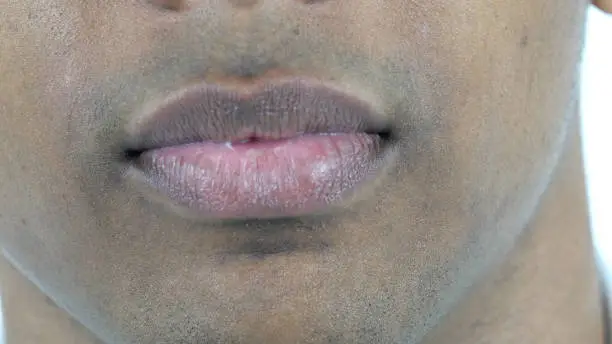
Darkened lip edges can make the lips appear uneven in color and affect the overall appearance of a smile. This discoloration may develop gradually because of tobacco exposure, sun damage, irritation, or natural differences in pigmentation. Some people notice darker borders around the upper or lower lips, while others experience pigmentation that extends across the lip surface. Understanding the possible causes is an important first step. For individuals exploring Smoker’s lips treatment in Riyadh, professional guidance can help identify suitable approaches to managing darkened lip edges while protecting the delicate skin around the mouth.
Understanding Darkened Lip Edges
The edges of the lips may naturally appear darker than the surrounding skin because of differences in melanin distribution. In other cases, the border may become more noticeable due to irritation, dryness, or environmental exposure. The appearance can vary according to skin tone, genetics, age, and personal habits. Darkened edges do not always indicate a medical problem, but changes in color that develop suddenly or continue to worsen deserve attention. Understanding whether the pigmentation is natural or acquired helps guide decisions about appropriate care.
How Smoking May Affect Lip Borders
Tobacco exposure may contribute to irritation and pigmentation changes over time. Repeated exposure to smoke, combined with dryness and sunlight, can affect the appearance of the lips and make the border look darker or less uniform. However, smoking is not the only possible cause of this concern. Some individuals develop similar changes because of cosmetic sensitivities, frequent lip licking, inflammation, or naturally occurring pigmentation. Stopping smoking can reduce continued exposure and support overall health, although existing discoloration may not disappear immediately.
Common Causes of Pigmentation Around the Lips
Several factors can contribute to darker lip edges. Sun exposure may stimulate pigment production, while dry or irritated skin can become more uneven in appearance. Fragranced lip products, certain cosmetics, toothpaste ingredients, and harsh exfoliants may trigger irritation in sensitive individuals. Hormonal influences, medications, and natural melanin production can also play a role. Because different causes may look similar, it is not always possible to identify the reason by appearance alone. A professional assessment can help distinguish cosmetic pigmentation from changes that require medical evaluation.
Professional Assessment and Treatment Planning
Before choosing a treatment, a qualified professional should assess the lip borders and surrounding skin. The consultation may include questions about when the darkening began, whether it is changing, and whether there is itching, pain, burning, or dryness. Smoking habits, sun exposure, medications, and previously used skincare products may also be discussed. The findings help determine whether supportive skincare, a change in products, or a selected clinical procedure may be appropriate. Sudden dark patches, bleeding, persistent sores, or painful changes should be medically evaluated before any cosmetic treatment is considered.
Treatment Options for Darkened Lip Edges
Treatment depends on the underlying cause, the depth of pigmentation, and the sensitivity of the lip area. Gentle skincare and avoiding irritating products may be helpful when dryness or inflammation contributes to uneven color. In selected cases, a professional may recommend specific topical treatments or procedures intended to improve pigmentation. However, treatments used on other facial areas are not automatically safe for the lips. Strong acids, aggressive exfoliation, and unverified lightening products can damage delicate tissue and may worsen discoloration. A specialist should explain the possible benefits, limitations, and risks of each option.
Daily Care to Protect the Lip Border
Consistent lip care can support a smoother appearance and help prevent avoidable irritation. Use a gentle, fragrance-free lip balm to reduce dryness, and choose a product with sun protection when spending time outdoors. Avoid rubbing or scrubbing the lip edges, picking flaky skin, or repeatedly licking the area. If a lip product causes redness, swelling, or stinging, stop using it and seek professional advice if symptoms persist. Avoiding tobacco smoke can also reduce ongoing exposure. These measures support lip health but may not fully remove established pigmentation.
What Results Can You Expect?
Improvement depends on the cause and duration of the discoloration, as well as the treatment selected. If irritation or dryness is contributing to the appearance, removing the trigger and restoring moisture may help. Pigmentation associated with melanin can take longer to change, and some darker areas may remain. Results should be approached gradually, with attention to skin comfort and safety. Follow-up care may be recommended, and any unexpected irritation after treatment should be discussed with the treating professional.
Choosing Smoker’s Lips Treatment in Riyadh
Choosing the right approach requires consideration of individual skin characteristics, medical history, lifestyle, and cosmetic goals. Patients should discuss previous reactions to skincare products and any treatments they have already tried. For people considering Smoker’s Lips Treatment in Riyadh, personalized guidance can help determine which options may be appropriate for darkened lip edges and which should be avoided. The goal is to improve the appearance of uneven pigmentation without causing unnecessary irritation or compromising the natural lip barrier.
Book an Appointment at Royal Clinic Saudi
If darkened lip edges are affecting your confidence, arrange a consultation to discuss the possible causes and suitable treatment options. Royal Clinic Saudi can help you explore an individualized approach based on your lip condition, pigmentation pattern, and aesthetic concerns. A professional assessment can clarify realistic expectations and support informed decisions about your lip-care plan.
FAQs:
Can smoking cause dark edges around the lips?
Tobacco exposure may contribute to pigmentation, but genetics, sunlight, and irritation can also affect lip color.
Can darkened lip edges return to their natural color?
Some discoloration may improve, but results depend on its cause and severity. Complete fading is not guaranteed.
Should I exfoliate dark lip edges?
Avoid aggressive exfoliation because it can irritate the delicate skin and potentially worsen pigmentation.
When should I seek professional advice?
Seek an assessment for sudden changes, persistent dark patches, bleeding, pain, or sores that do not heal.
lip pigmentation treatment dark lips treatment Smoker’s Lips Treatment in Riyadh

Photos


Share this page with your family and friends.