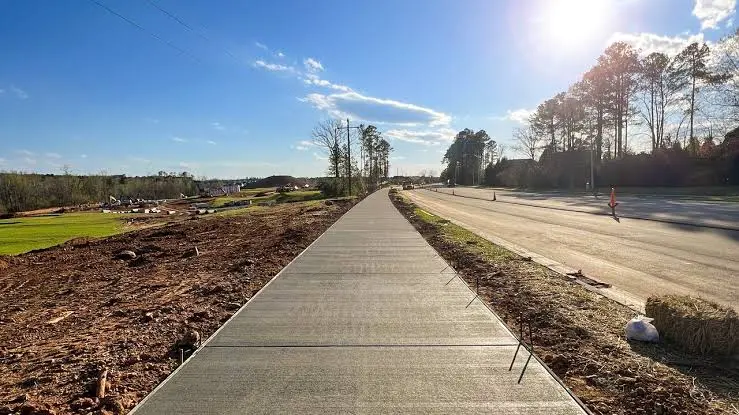
Sidewalk Construction: How Can You Build a Durable Sidewalk?

40 minutes ago
26 minutes, 1 second
2 views 0 comments 0 likes 0 reviews

Sidewalk construction is an important part of creating safe, accessible, and attractive o...
1. What Is Sidewalk Construction and Why Is It Important?
Sidewalk construction is an important part of creating safe, accessible, and attractive outdoor spaces for residential and commercial properties. A properly built sidewalk provides a stable walking surface, helps people move safely around a property, and improves the overall appearance of the surrounding landscape. Sidewalks also connect driveways, entrances, patios, streets, and other outdoor areas, making a property more convenient to use. For homeowners on Long Island, proper planning is especially important because sidewalks must withstand changing temperatures, rainfall, snow, and regular foot traffic. Choosing suitable materials, preparing the ground correctly, and ensuring proper drainage can help create a sidewalk that remains functional and attractive for many years.
2. What Materials Are Commonly Used for Sidewalk Construction?
Choosing the right materials is one of the most important decisions in sidewalk construction because the material affects durability, appearance, maintenance, and overall project cost. Concrete is a popular option because it provides a solid walking surface and can last for many years when installed correctly. Pavers are another choice for homeowners who prefer decorative patterns, different colors, and the flexibility to replace individual units if they become damaged. Natural stone can create a premium appearance, although its cost and installation requirements may be higher. The best material depends on the property's design, expected foot traffic, available budget, and local weather conditions. Comparing these options before starting work helps property owners select a surface that meets their practical needs.
3. Why Is Proper Ground Preparation Necessary?
Proper ground preparation is essential for successful sidewalk construction because the finished surface depends on the stability of the soil beneath it. If the ground contains loose soil, organic material, or areas that settle unevenly, the sidewalk may develop cracks, dips, or uneven sections after installation. Contractors generally remove unsuitable material, establish the required depth, and prepare a stable base according to the project specifications and soil conditions. The base material must be placed and compacted correctly to provide consistent support across the walking surface. Skipping these preparation steps may reduce the lifespan of the sidewalk, even when high-quality concrete or pavers are used. Careful preparation helps minimize future movement and creates a more dependable foundation for the finished walkway.
4. How Does Drainage Affect Sidewalk Construction?
Drainage plays an important role in sidewalk construction because standing water can contribute to surface deterioration, slippery conditions, and problems around nearby foundations or landscaped areas. A sidewalk should be designed with an appropriate slope so rainwater can move toward a suitable drainage area instead of collecting on the walking surface. Poor drainage may also allow water to enter the base material, potentially contributing to settlement or movement during freezing and thawing conditions. Contractors should evaluate the property's existing grading, downspout locations, nearby driveways, and other surfaces before determining the final sidewalk elevation. Proper drainage planning helps protect the sidewalk and surrounding property while making the walking surface safer and more comfortable to use.
5. What Are the Main Steps in Concrete Sidewalk Construction?
Concrete sidewalk construction involves several stages that work together to produce a strong and even walking surface. The process usually begins with measuring the area, marking the sidewalk layout, and excavating the ground to the required depth. Contractors then prepare and compact the base, install forms, and determine the appropriate concrete specifications for the project. Once the concrete is placed, it must be spread evenly, finished to the desired texture, and provided with suitable control joints to help manage cracking. The concrete also needs adequate curing time before it can handle regular foot traffic. Each stage affects the final result, so careful workmanship and attention to project specifications are essential for a durable sidewalk.
6. How Thick Should a Concrete Sidewalk Be?
The required thickness is an important consideration in sidewalk construction because the walking surface must support its intended use without unnecessary cracking or deterioration. A common residential concrete sidewalk may be approximately four inches thick, but the correct thickness depends on local codes, soil conditions, expected loads, and the sidewalk's location. Areas that may occasionally support vehicles or heavier equipment can require a different design from a walkway intended only for pedestrians. The base beneath the concrete is equally important because even a thick slab may develop problems if it rests on poorly prepared or unstable ground. Property owners should confirm the appropriate dimensions and specifications with a qualified contractor before work begins to ensure the sidewalk suits its intended purpose.
7. Why Are Control Joints Important in Sidewalk Construction?
Control joints are an important feature of sidewalk construction because concrete naturally changes volume as it cures and experiences temperature fluctuations. These joints create planned locations where cracking is more likely to occur, helping reduce the chance of random cracks spreading across the visible surface. Their spacing, depth, and placement depend on the slab thickness, layout, and applicable construction practices. Without suitable joints, concrete may crack in unpredictable locations, affecting both the appearance and maintenance of the sidewalk. However, control joints do not eliminate all cracking, particularly when the base is unstable or the concrete is improperly cured. Proper joint planning, suitable concrete placement, and good ground preparation work together to improve the overall performance of the finished walkway.
8. Can Weather Affect Sidewalk Construction?
Weather can significantly affect sidewalk construction because temperature, rainfall, humidity, and freezing conditions influence concrete placement and curing. Pouring concrete during unsuitable conditions may increase the risk of surface defects, weak areas, or cracking if appropriate precautions are not taken. Heavy rain can damage freshly placed concrete, while freezing temperatures may interfere with proper curing and strength development. On Long Island, contractors should plan around seasonal weather and follow concrete supplier recommendations for the conditions expected during installation. Protective measures may be necessary when temperatures are unusually hot or cold. Scheduling the project carefully and allowing sufficient curing time can help produce a more durable surface that performs well under everyday use.
9. How Much Does Sidewalk Construction Cost?
The cost of sidewalk construction depends on the total area, selected materials, excavation requirements, base preparation, labor, and accessibility of the site. A simple concrete walkway may cost less than a decorative paver sidewalk or a project requiring extensive grading and drainage improvements. Removing an existing damaged sidewalk, disposing of old materials, or working around landscaping can also increase the total price. Local permit requirements and accessibility standards may affect project planning and expenses as well. Because each property has different conditions, homeowners should request a written estimate that clearly explains the proposed dimensions, materials, preparation work, and finishing details. Comparing detailed estimates helps property owners understand the value offered by each contractor rather than choosing solely on the lowest initial price.
10. What Is the Difference Between Concrete Sidewalks and Paver Sidewalks?
Concrete and pavers are two common options for sidewalk construction, and each offers different benefits depending on the property owner's priorities. Concrete creates a continuous surface that can provide a clean, simple appearance and requires relatively little routine maintenance when properly installed. Pavers offer more design flexibility through different shapes, patterns, colors, and textures. Individual pavers can often be removed and replaced if a small area becomes damaged or requires access to underground utilities. However, pavers need a properly prepared base and suitable edge restraints to reduce movement over time. Concrete may be a practical choice for straightforward walkways, while pavers may appeal to homeowners seeking a more decorative design that complements patios, driveways, and landscaping.
11. How Can Sidewalk Construction Improve Property Appearance?
A well-designed sidewalk can improve the appearance of a home or commercial property by creating a clear and attractive route between different outdoor areas. Sidewalk construction can connect the driveway to the front entrance, complement garden beds, and provide a more organized layout for the surrounding landscape. Homeowners can choose straight walkways for a clean architectural appearance or curved designs that follow the shape of the yard. Concrete finishes and paver patterns can also be selected to complement exterior walls, steps, patios, and driveways. Beyond appearance, a properly positioned sidewalk helps guide pedestrian movement and reduces the need to walk across muddy or uneven ground. Coordinating the sidewalk design with the rest of the property can produce a more unified outdoor space.
12. What Causes Concrete Sidewalks to Crack?
Cracking is a common concern in sidewalk construction because concrete is strong under compression but can crack when movement, shrinkage, or other stresses exceed its capacity. Poor ground preparation, inadequate control joints, excessive water in the concrete mix, and improper curing can contribute to cracking. Tree roots, repeated freezing and thawing, and settlement of the supporting base may also affect the sidewalk over time. Some minor cracks may be primarily cosmetic, while wider cracks, uneven edges, or sudden changes in elevation can create safety concerns. Homeowners should monitor changes and arrange an inspection when the damage becomes extensive. Understanding the cause is important because filling a crack without correcting settlement, drainage, or root-related problems may not provide a lasting solution.
13. How Can Tree Roots Damage a Sidewalk?
Tree roots can affect sidewalk construction and long-term maintenance when they grow beneath a walkway and alter the surrounding soil or lift sections of pavement. The likelihood of damage depends on the tree species, root growth pattern, available space, soil conditions, and sidewalk design. Raised concrete slabs can create tripping hazards and may become more difficult to maintain if the root growth continues. Before building a new sidewalk, contractors should consider nearby trees and the likely location of major roots. In some cases, adjusting the walkway route or using an appropriate design may reduce future conflicts. Property owners should avoid cutting large roots without professional advice because doing so may harm the tree or affect its stability.
14. Why Is Accessibility Important in Sidewalk Construction?
Accessibility should be considered from the beginning of sidewalk construction because walkways need to serve people with different mobility requirements. An accessible design may include appropriate clear width, manageable slopes, stable surfaces, and transitions that reduce barriers for wheelchair users, people using walkers, and individuals with limited mobility. Public sidewalks and certain commercial or shared-access areas may have specific legal and technical requirements that differ from those for private residential walkways. Contractors should identify the rules that apply to the property before selecting dimensions and elevations. Good accessibility planning also benefits parents with strollers, older adults, and anyone carrying items. Creating a safe and convenient route helps make the property easier for more people to use.
15. When Should an Old Sidewalk Be Repaired or Replaced?
Deciding whether to repair or replace an existing walkway is an important part of sidewalk construction planning. Small, isolated surface defects may sometimes be addressed through appropriate repairs, while widespread cracking, severe settlement, crumbling concrete, and significant changes in elevation may indicate that replacement is more practical. Repeated damage can also suggest an underlying problem with drainage, tree roots, or the supporting base. Before selecting a solution, contractors should inspect the affected area and determine whether the cause can be corrected without rebuilding the entire walkway. Repairs that ignore continuing movement may fail again. A professional assessment helps property owners choose a solution that improves safety, restores the walking surface, and provides reasonable long-term value.
16. How Can Proper Curing Improve Concrete Sidewalk Quality?
Curing is an essential stage of sidewalk construction because concrete needs appropriate moisture and temperature conditions to develop its intended strength. Freshly placed concrete does not reach its full performance immediately, and allowing it to dry too quickly can affect surface quality and increase the risk of cracking. Contractors may use suitable curing methods based on the weather, concrete mix, and project specifications. The surface should also be protected from premature foot traffic and other loads until it has gained sufficient strength. The time required depends on the mix and environmental conditions, so homeowners should follow the contractor's instructions instead of assuming that the concrete is ready after a fixed number of hours. Proper curing supports durability and helps the sidewalk perform as intended.
17. What Permits May Be Required for Sidewalk Construction?
Permit requirements are an important consideration before starting sidewalk construction because rules can differ between towns, villages, incorporated areas, and public rights-of-way. A sidewalk located entirely on private property may be subject to different requirements from one that connects to a public street or crosses a municipal walkway area. Local authorities may regulate placement, dimensions, drainage, accessibility, and the protection of underground utilities. Homeowners should confirm the applicable requirements before excavation or construction begins. Contractors may be able to explain the usual process, but property owners should verify requirements with the relevant local building or highway department. Checking these details in advance can help prevent delays, unexpected costs, and the need to modify work after installation.
18. How Do You Choose the Right Sidewalk Construction Contractor?
Choosing an experienced contractor is important for sidewalk construction because the quality of excavation, base preparation, concrete placement, and finishing affects the finished walkway. Homeowners should look for relevant project experience, appropriate licensing where required, proof of insurance, clear communication, and a written estimate. It is helpful to ask for examples of completed work and references from previous customers. A reliable contractor should explain the proposed materials, dimensions, drainage plan, control joints, curing requirements, and any necessary permits. Be cautious of estimates that omit important preparation work or promise unusually low prices without examining the site. Comparing detailed proposals helps property owners understand what they are paying for and choose a contractor whose approach matches their project's needs.
19. How Can You Maintain a Concrete Sidewalk?
Routine maintenance helps extend the useful life of a sidewalk and can reduce the need for extensive repairs. After sidewalk construction is complete, homeowners should keep the surface free from leaves, dirt, and debris that may retain moisture or make the walkway slippery. They should inspect the concrete periodically for cracks, surface scaling, uneven sections, and signs of water collecting in low areas. Suitable cleaning methods can remove ordinary dirt without unnecessarily damaging the surface. During winter, homeowners should follow recommendations appropriate for their concrete and avoid using deicing products that may harm the material. Any persistent drainage problem should be corrected rather than ignored. Regular inspections make it easier to identify changes early and maintain a safe walking surface.
20. Is Reinforcement Necessary for Concrete Sidewalks?
Reinforcement requirements depend on the design, expected loads, site conditions, and local specifications for sidewalk construction. Some residential sidewalks may be built without conventional steel reinforcement when the design and base conditions permit, while other projects may require reinforcing materials or additional structural measures. Reinforcement can help control the behavior of cracking and may provide benefits in certain applications, but it does not prevent every crack or compensate for poor ground preparation. The correct concrete mix, adequate slab thickness, proper joints, and a stable base remain important regardless of whether reinforcement is used. Homeowners should ask the contractor to explain the proposed design and why it suits the location rather than assuming that every sidewalk needs the same construction method.
21. How Does Sidewalk Slope Affect Safety and Drainage?
Slope is an important design consideration in sidewalk construction because it influences both water movement and pedestrian comfort. A properly designed walkway directs rainwater toward an appropriate drainage area and reduces the likelihood of puddles forming on the surface. However, excessive slopes can make the sidewalk difficult to use, especially for individuals with mobility limitations. The appropriate grade depends on the site layout, applicable accessibility standards, and local regulations. Contractors should carefully establish the finished elevations before pouring concrete or laying pavers, particularly where the sidewalk meets a driveway, entrance, or public path. Proper grading helps reduce water-related problems while creating a more comfortable and predictable walking surface.
22. Can Sidewalk Construction Increase Property Value?
Sidewalk construction can improve the overall presentation and usability of a property by creating a defined path to the entrance and connecting important outdoor areas. A clean, even walkway may make the home appear better maintained and can complement landscaping, driveway paving, and exterior masonry. For commercial properties, accessible and well-maintained sidewalks can also contribute to a more welcoming experience for visitors. However, the effect on property value depends on the overall condition of the building, the quality of the work, neighborhood expectations, and buyer preferences. Rather than treating a new sidewalk as a guaranteed financial return, property owners should consider its practical benefits, improved access, appearance, and contribution to the property's overall maintenance.
23. What Safety Precautions Are Needed During Sidewalk Construction?
Safety should remain a priority throughout sidewalk construction because excavation, construction equipment, wet concrete, and temporary obstructions can create hazards. Work areas should be clearly marked and protected so residents, pedestrians, and visitors do not accidentally enter an active construction zone. Contractors should identify underground utilities before digging and use appropriate protective equipment when handling materials. Fresh concrete must be protected from premature traffic, while uneven ground and exposed tools should be managed carefully. For sidewalks connected to public pedestrian routes, temporary access and traffic-control arrangements may also be necessary. Planning these precautions before work begins helps protect workers and the public while allowing the project to proceed in an organized manner.
24. What Should You Consider Before Starting a Sidewalk Project?
Before beginning sidewalk construction, property owners should determine the walkway's purpose, route, dimensions, material, and connection to existing outdoor features. The design should account for soil conditions, drainage, nearby trees, underground utilities, and any local permit or accessibility requirements. Homeowners should also establish a realistic budget that includes excavation, base preparation, materials, labor, cleanup, and potential repairs to the surrounding landscape. Comparing concrete and paver options can help determine which finish offers the right balance of appearance, durability, and maintenance. A detailed written plan reduces confusion and makes it easier to evaluate estimates. Careful preparation before construction starts can help avoid unnecessary changes and improve the likelihood of a successful final result.
25. How Can Professional Sidewalk Construction Improve Your Property?
A well-built sidewalk provides a stable route for pedestrians, improves access to entrances, and helps create a cleaner and more organized outdoor environment. Successful sidewalk construction depends on proper planning, suitable materials, stable ground preparation, effective drainage, appropriate control joints, and careful finishing. Property owners should also consider local requirements, long-term maintenance, and the needs of everyone who will use the walkway. Whether the project involves a new residential path or the replacement of an older concrete surface, selecting a qualified contractor can help reduce avoidable problems and improve the finished result. For homeowners planning outdoor property improvements, Promaster Maintenance Corp Paving and Masonry can be a starting point for discussing paving and masonry needs, including how a sidewalk project may complement existing driveways, patios, and exterior surfaces.

Blogs


Albums


Share this page with your family and friends.