
Hair regrowth is the promise that draws most patients to PRP therapy, yet it is also the claim most frequently misunderstood. PRP does not work like a transplant or a medication, and expecting it to behave that way leads to disappointment. What it offers is a biologically grounded method of supporting follicles that still function. PRPHairTreatment in Riyadh This practical overview explains how PRP fits into regrowth expectations, what the process involves, and how to judge results fairly.
What Regrowth Actually Means in PRP Therapy
Regrowth in the context of PRP rarely means new follicles appearing where none existed. It more commonly refers to existing follicles producing thicker, longer strands after emerging from a resting phase.
This distinction shapes everything—from candidacy to realistic timelines to how you should measure success.
Why Follicles Must Still Be Active
PRP works by supporting follicles capable of producing hair. Miniaturized but functioning follicles may respond to growth factor stimulation.
Once a follicle has permanently stopped producing hair, no amount of PRP can revive it. This is why assessment matters more than enthusiasm.
How PRP Supports Regrowth
PRP delivers concentrated growth factors derived from your own blood directly into the scalp. These proteins naturally participate in tissue repair.
They may encourage follicles to remain longer in the growth phase, improve circulation, and reduce inflammation. Together, these effects support healthier hair production.
The Growth Phase and Hair Quality
Hair cycles through growth, transition, and resting phases. A longer growth phase produces thicker, longer strands.
PRP's proposed mechanism involves extending this phase, which is why improvements appear gradual rather than immediate.
Who Is a Suitable Candidate
Ideal candidates have early to moderate thinning with active follicles. Both men and women can benefit.
Patients with certain medical conditions, blood disorders, or active scalp infections may not be suitable. Consultation determines candidacy.
The Treatment Process
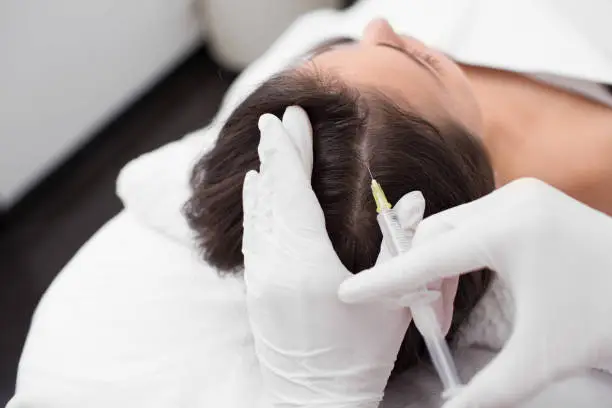
A small blood sample is drawn and processed in a centrifuge. The concentrated plasma is then injected into targeted areas of the scalp.
Sessions typically take under an hour, with minimal discomfort. Most patients resume normal activities immediately.
What Results You Can Realistically Expect
Reduced shedding often appears within weeks. Visible density improvements develop over three to six months.
Final results emerge around twelve months with consistent sessions. Photographic tracking reveals gradual change.
Why Consistency Determines Outcomes
Hair growth cycles unfold slowly. A single session cannot produce meaningful change.
Regular sessions and maintenance treatments preserve density and support ongoing improvement. Consistency matters more than intensity.
Combining PRP With Other Treatments
PRP is often combined with topical or oral therapies. These address different mechanisms of hair loss.
Combination protocols frequently outperform single approaches. Your provider can recommend what suits your situation.
Supporting Regrowth Between Sessions
Gentle scalp care, balanced nutrition, and stress management support follicle health. Protein, iron, and vitamin D are particularly relevant.
Avoid harsh hair treatments, tight hairstyles, and excessive heat styling during treatment.
Potential Side Effects and Safety
Because PRP uses your own blood, allergic reactions are rare. Common side effects include temporary tenderness and redness.
Serious complications are uncommon with sterile technique. Qualified providers minimize risk significantly.
When PRP May Not Support Regrowth
If follicles have permanently stopped functioning, PRP cannot restore growth. Complete baldness does not respond to treatment.
If hair loss stems from medical conditions or deficiencies, addressing the underlying cause takes priority.
Measuring Progress Objectively
Standardized monthly photographs reveal genuine change that memory cannot. Avoid daily comparisons, which exaggerate fluctuations.
Your provider may also use trichoscopy to document density and follicle activity.
Setting Realistic Expectations
PRP improves density and slows loss—it does not create a full head of new hair. Patients with realistic expectations report the highest satisfaction.
Focus on gradual improvement rather than dramatic transformation.
For those seeking expert guidance and customized aesthetic care, you can book an appointment consultation at the Enfield Royal Riyadh.
FAQs
Can PRP regrow hair?
It may improve density and thickness in areas where follicles remain active.
How soon will I see regrowth?
Reduced shedding appears within weeks; density improves over three to six months.
Is PRP effective for all hair loss types?
It works best for early to moderate thinning with active follicles.
How many sessions are needed?
Most protocols start with three to four sessions, then periodic maintenance.
Can PRP restore hair in bald areas?
No, it cannot revive follicles that have permanently stopped functioning.
Final Thoughts
PRP hair treatment offers a practical, biologically grounded approach to supporting hair regrowth in suitable candidates. It works gradually, requires consistency, and delivers the best results when matched to the right stage of hair loss. Understanding what regrowth actually means in this context prevents disappointment and allows you to judge results fairly. For many patients, PRP represents a genuine step toward fuller, healthier-looking hair.


Share this page with your family and friends.