
Discovering that your child has alopecia areata can be frightening. The patches appear suddenly, the cause is not fully understood, and the internet is full of conflicting information. As a parent, you want clear answers and a practical plan. Alopecia Areata Treatment Cost in Riyadh explains what pediatric alopecia areata is, how it is treated in children, and how to support your child emotionally throughout the process.
What Alopecia Areata Actually Is
Alopecia areata is an autoimmune condition in which the immune system mistakenly attacks hair follicles.
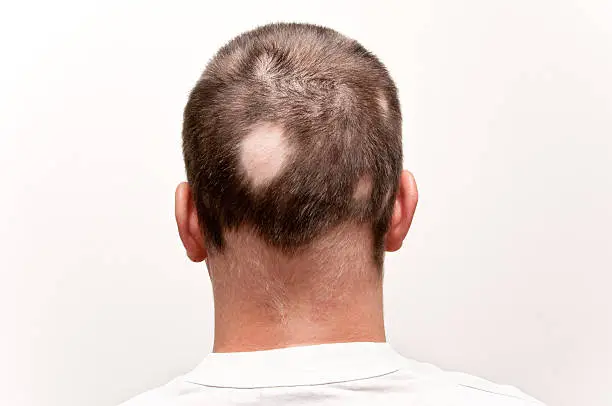
This causes smooth, round patches of hair loss. The follicles remain alive, which is why regrowth is possible.
Why It Affects Children
Alopecia areata can begin at any age, but it often first appears in childhood or adolescence.
It is not caused by poor hygiene, nutrition, or parenting. It is not contagious, and children cannot spread it to others.
Recognising the Signs in Children
The most common sign is one or more smooth, round bald patches on the scalp.
Some children notice tingling or itching before hair loss appears. Nail changes, such as pitting, may also occur.
Conditions That Can Mimic It
Several conditions look similar, including fungal infections, trichotillomania, and traction alopecia.
Accurate diagnosis is essential. Treating the wrong condition delays effective care.
How Diagnosis Is Confirmed
Diagnosis is typically clinical, based on appearance and pattern.
In some cases, a scalp biopsy or blood tests are used to rule out other conditions.
Treatment Option One: Topical Corticosteroids
Topical corticosteroids are often used for mild or limited involvement in children.
They reduce inflammation around affected follicles and are applied directly to the patches.
Treatment Option Two: Intralesional Injections
Corticosteroid injections may be used for older children with patchy scalp alopecia.
They are administered every four to six weeks. Younger children may find them uncomfortable.
Treatment Option Three: Topical Minoxidil
Minoxidil may support regrowth and is sometimes used alongside other treatments.
It is not a standalone cure but can complement other therapies.
Treatment Option Four: Topical Immunotherapy
Topical immunotherapy is used for extensive or resistant cases.
It modifies the immune response and requires commitment over several months.
Treatment Option Five: Systemic Medications
Oral medications may be considered for severe or widespread involvement in older children.
These require monitoring and professional supervision.
What Parents Should Know Before Treatment
Understand that results take time. Improvement typically develops over three to six months.
Consistency is essential. Stopping treatment early often leads to recurrence.
Supporting Your Child Emotionally
Children may feel embarrassed, anxious, or isolated because of hair loss.
Listen without minimising. Reassure them that the condition is not their fault and is not contagious.
Managing Appearance at School
Wigs, hats, headbands, and scalp coverage products can help children feel more confident.
Speak with teachers if bullying occurs. Schools can support your child discreetly.
When to Seek Professional Help
If hair loss causes significant distress, anxiety, or avoidance of school or social activities, seek support.
Counselling can help children and parents cope.
For those seeking expert guidance and customised aesthetic care, you can book an appointment consultation at the Enfield Royal Riyadh.
FAQs
Is alopecia areata common in children?
Yes, it often first appears in childhood or adolescence.
Is it contagious?
No, it cannot be spread to others.
What treatments suit children?
Topical corticosteroids, minoxidil, and sometimes injections or systemic therapy.
How long does treatment take?
Improvement typically develops over three to six months.
How can I support my child emotionally?
Listen, reassure, and seek counselling if distress is significant.
Final Thoughts
Pediatric alopecia areata is manageable with appropriate treatment and emotional support. Understanding the condition, pursuing accurate diagnosis, and maintaining consistency with therapy support the best outcomes. Your child's confidence matters as much as their hair. With patience and professional guidance, families navigate this condition successfully.


Share this page with your family and friends.