
Related Blogs


Liposuction for Achieving a More Balanced Upper and Lower Body
8 minutes, 38 seconds
-8 Views 0 Comments 1 Like 0 Reviews
A balanced body silhouette depends on the relationship between the shoulders, waist, abdomen, hips, and thighs. However, fat distribution varies from person to person because of genetics, hormones, age, and lifestyle. Some individuals experience stubborn fat around the upper arms and abdomen, while others notice fullness around the hips and thighs. Liposuction in Riyadh is an option for suitable individuals who want to address localized fat deposits and improve their overall body contours. Understanding how this procedure works can help people decide whether it aligns with their aesthetic goals.
How Liposuction Supports Body Contouring
Liposuction is a surgical procedure that removes selected fat deposits beneath the skin. It is intended to refine body contours rather than serve as a weight-loss solution. By treating specific areas, surgeons aim to create smoother transitions between the waist, abdomen, hips, and thighs. People considering Liposuction in Riyadh should understand that results depend on their anatomy, skin elasticity, general health, and treatment goals. A professional assessment helps determine which areas may benefit from treatment and whether liposuction is an appropriate choice.
Improving Upper and Lower Body Balance
Differences in fat distribution can sometimes make the upper body appear disproportionate to the lower body. For example, fullness around the abdomen and flanks may affect the appearance of the waist, while fat deposits around the hips and thighs can influence the lower-body silhouette. Surgeons assess these areas together to develop an individualized treatment plan. The objective is to create natural-looking contours while maintaining the body's existing proportions. Rather than removing as much fat as possible, an appropriate approach focuses on balanced results and patient safety.
Addressing Fat Deposits in the Upper Body
The upper body may develop localized fat deposits around the upper arms, back, abdomen, or chest. These areas can affect clothing fit and the appearance of the torso. Before recommending treatment, the surgeon evaluates the thickness of the fat layer, skin elasticity, and nearby anatomical structures. Liposuction may reduce selected fat pockets, but it cannot reliably correct significant loose skin or every cause of fullness. A consultation helps clarify whether fat removal alone may meet the patient's goals or whether alternative procedures should be considered.
Contouring the Waist, Hips, and Thighs
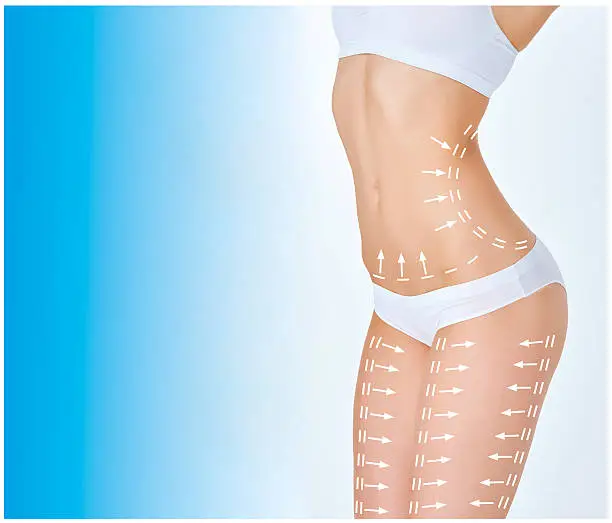
The waist, hips, and thighs play an important role in the overall body silhouette. Fat around the flanks may make the waist appear wider, while deposits around the outer or inner thighs can affect the relationship between the hips and legs. Surgeons consider how these areas connect when planning treatment, as removing excessive fat from one region can create uneven contours. Liposuction in Riyadh may be suitable for individuals with localized fat deposits and relatively good skin elasticity. The surgeon determines the appropriate treatment areas after considering individual anatomy, medical history, and realistic expectations.
Choosing a Suitable Liposuction Technique
Different liposuction techniques are available, including traditional suction-assisted liposuction and methods that use specialized instruments to assist fat removal. The most appropriate technique depends on the treatment area, the amount and characteristics of the fat, the surgeon's expertise, and the patient's health. No single method is best for every individual. During the consultation, patients should ask about the recommended technique, expected outcomes, potential complications, and recovery requirements. A personalized plan should prioritize safety and suitable body contours rather than promise perfect symmetry.
Recovery and Expected Results
Recovery after liposuction varies according to the extent of surgery and the areas treated. Temporary swelling, bruising, tenderness, and changes in sensation may occur. Patients may need to wear compression garments, follow incision-care instructions, avoid strenuous activities for a period, and attend follow-up appointments. Swelling can take weeks or months to settle, so the final contours may become clearer gradually. Following the surgeon's advice and allowing enough time for healing can support recovery. Individual results vary, and no specific shape or measurement can be guaranteed.
Maintaining Long-Term Body Contours
Liposuction removes fat cells from the treated areas, but remaining fat cells can still enlarge if weight increases. Maintaining a stable weight through balanced nutrition and regular physical activity can help preserve the outcome. Normal aging and changes in skin elasticity may also affect body contours over time. The procedure should be viewed as a targeted body-contouring option rather than a substitute for healthy habits or a treatment for obesity. Patients should discuss long-term expectations with their surgeon before deciding to proceed.
Safety and Realistic Expectations
Liposuction is a surgical procedure and carries potential risks, including infection, bleeding, fluid accumulation, contour irregularities, changes in sensation, and anesthesia-related complications. The level of risk depends on individual health, the extent of treatment, and the clinical setting. Choosing a properly qualified surgeon and an appropriately equipped medical facility is essential. Patients should share their medical history and medications and ask questions about possible complications before surgery. A thorough consultation helps establish whether treatment is appropriate and supports informed decision-making.
Book a Consultation at Royal Clinic Saudi
People considering Liposuction in Riyadh to improve upper and lower body proportions can contact Royal Clinic Saudi to learn about consultation options and body-contouring treatments. During a professional assessment, patients can discuss their goals, medical suitability, available techniques, recovery expectations, and potential risks. The surgeon can explain whether liposuction alone may address the areas of concern or whether another approach may be more suitable. An individualized treatment plan should focus on safety, realistic outcomes, and natural-looking contours that complement the patient's body shape.
FAQs:
Can liposuction improve the balance between the upper and lower body?
Liposuction may improve body proportions by reducing selected fat deposits in suitable areas. Results depend on individual anatomy, skin elasticity, and the treatment plan.
Can several areas be treated during one liposuction procedure?
Multiple areas may sometimes be treated in one operation. The decision depends on the patient's health, the extent of surgery, and the surgeon's assessment of safety.
Does liposuction tighten loose skin?
Liposuction primarily removes fat and does not reliably correct significant loose skin. A surgeon can assess skin quality and discuss other options when necessary.
How can I maintain my liposuction results?
Maintaining a stable weight through balanced nutrition and regular physical activity can help preserve the results. Remaining fat cells may enlarge with weight gain.
liposuction riyadh Liposuction in Riyadh liposuction riyadh prices

Photos


Share this page with your family and friends.