Related Blogs


Non-Surgical Facelift Methods for Refreshing Your Natural Facial Features
7 minutes, 32 seconds
-2 Views 0 Comments 0 Likes 0 Reviews
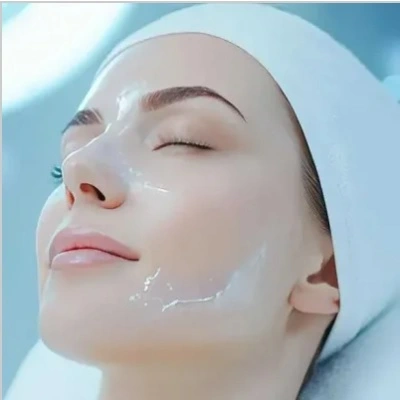
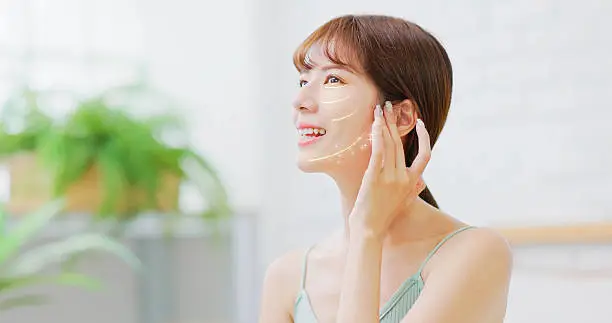
Natural facial features can change gradually as skin elasticity decreases, collagen production slows, and facial volume shifts with age. These changes may contribute to fine lines, softer contours, or a tired appearance. Many people prefer treatments that refresh their appearance while preserving their individual characteristics. A non-surgical facelift in Riyadh (شد الوجه غير الجراحي في الرياض) can involve several aesthetic approaches designed to address visible signs of aging without traditional facelift surgery. Selecting suitable methods begins with understanding the skin, facial structure, and the results a person hopes to achieve.
Understanding Natural Facial Changes
Facial aging affects people differently. Some notice fine lines around the eyes and mouth, while others experience mild sagging around the cheeks or jawline. Sun exposure, genetics, lifestyle habits, and changes in facial fat distribution can also influence these developments. Natural facial features include the proportions of the cheeks, chin, lips, and jawline, so effective rejuvenation should consider how these areas work together rather than focusing on a single wrinkle or contour.
How Non-Surgical Methods Refresh Facial Features
A non-surgical facelift in Riyadh may include procedures that improve the appearance of mild skin laxity, soften certain wrinkles, or restore volume where it has diminished. Options can include energy-based skin tightening, selected injectable treatments, and other minimally invasive techniques. Each method addresses different concerns, and results depend on the technology used, the practitioner's assessment, and the individual's skin condition. The objective is to support a refreshed appearance without unnecessarily changing natural facial proportions.
Popular Methods for Facial Rejuvenation
Energy-Based Skin Tightening
Radiofrequency and ultrasound-based treatments deliver controlled energy to targeted tissues. Depending on the device and treatment plan, these methods may encourage collagen-related changes and improve the appearance of mild skin laxity. They may be considered for areas such as the cheeks, lower face, or jawline. Improvement usually develops gradually, and these procedures are not a substitute for surgery when there is substantial excess skin.
Injectable Treatments for Facial Balance
Certain injectable treatments can soften expression lines or restore volume in selected facial areas. For example, appropriately placed dermal fillers may help address volume loss in the cheeks or chin, while other injectables can reduce the appearance of specific dynamic wrinkles. These treatments have different purposes and should be selected according to facial anatomy and individual needs. A qualified medical professional should explain possible side effects, including bruising, swelling, and procedure-specific complications.
Skin Resurfacing Treatments
Selected laser and resurfacing procedures may help improve uneven texture, fine lines, and some pigmentation concerns. The best option depends on skin tone, sensitivity, the depth of the concern, and the amount of recovery time a person can manage. A professional assessment is especially important for people prone to pigmentation changes or irritation. Appropriate aftercare and sun protection are essential for supporting recovery.
Preserving Your Individual Facial Characteristics
Refreshing the face does not mean changing its natural identity. Facial balance depends on the relationship between different features, including the cheeks, eyes, chin, and jawline. Conservative treatment planning can help maintain these proportions while addressing specific concerns. Adding unnecessary volume or treating areas that do not require intervention may create an unbalanced result. A thoughtful approach focuses on subtle improvements that complement the person's existing appearance.
Preparing for a Non-Surgical Facial Treatment
Before undergoing a procedure, discuss your goals, medical history, current medications, skin sensitivities, and previous aesthetic treatments with a qualified practitioner. Ask about expected results, recovery, potential risks, and whether maintenance sessions may be needed. Some treatments involve minimal downtime, while others can cause temporary redness, swelling, or peeling. Understanding these differences helps you make an informed decision and prepare for the recovery process.
Supporting Results Through Daily Skincare
Daily habits can help maintain healthy-looking skin after professional treatment. Using broad-spectrum sunscreen, cleansing gently, and applying a moisturizer suited to your skin type can support skin comfort and protect against environmental damage. Adequate sleep, balanced nutrition, and avoiding smoking may also contribute to overall skin health. Skincare cannot reproduce the effects of every aesthetic procedure, but consistent care can complement a personalized rejuvenation plan.
Choosing a Personalized Rejuvenation Approach
The most appropriate treatment depends on whether the main concern is skin laxity, wrinkles, texture, or volume loss. A professional consultation helps identify these factors and determine whether one procedure or a combination of methods may be suitable. Realistic expectations are important because non-surgical methods generally provide subtle to moderate changes rather than the results of surgical lifting. Treatment decisions should prioritize safety, facial harmony, and individual preferences.
Book a Consultation at Royal Clinic Saudi
If you are considering ways to refresh your natural facial features, Royal Clinic Saudi (عيادات رويال كلينك) can be a starting point for discussing your aesthetic goals with an appropriate professional. A consultation can help you understand the available options, their limitations, and possible risks before deciding on a personalized facial rejuvenation plan.
Frequently Asked Questions
1. What is the purpose of a non-surgical facelift?
It aims to improve selected signs of aging, such as mild skin laxity, wrinkles, or facial volume changes, without traditional facelift surgery.
2. Can non-surgical treatments preserve my natural appearance?
Yes, careful treatment planning can focus on subtle improvements that complement your existing facial features.
3. How long do non-surgical facelift results last?
Longevity varies by procedure, individual factors, and whether maintenance treatments are recommended.
4. Is there recovery time after non-surgical facial treatments?
Some methods involve little downtime, while others may cause temporary redness, swelling, or skin sensitivity. Recovery depends on the procedure performed.
شد الوجه غير الجراحي الرياض سعر شد الوجه غير الجراحي في السعودية شد الوجه غير الجراحي

Photos


Share this page with your family and friends.