
Detoxification has become a buzzword, often accompanied by exaggerated claims and questionable products. Lymphatic Massage in Riyadh Yet beneath the marketing lies a legitimate biological process: the body continuously clears waste through the liver, kidneys, lungs, and lymphatic system. Lymphatic massage does not perform detoxification—it supports the system that does. explains how it contributes to the body's natural detoxification processes.
What Detoxification Actually Means
Detoxification is the body's process of neutralizing and eliminating harmful substances. The liver breaks down toxins, the kidneys filter blood, and the lungs and skin expel waste.
The lymphatic system plays a supporting role by transporting waste products away from tissues toward elimination routes.
Why the Lymphatic System Matters for Detoxification
Lymph vessels collect excess fluid, metabolic waste, and cellular debris from tissues.
This fluid passes through lymph nodes, where waste is filtered and immune cells are deployed. The cleared fluid eventually returns to circulation.
How Lymphatic Massage Supports the Process
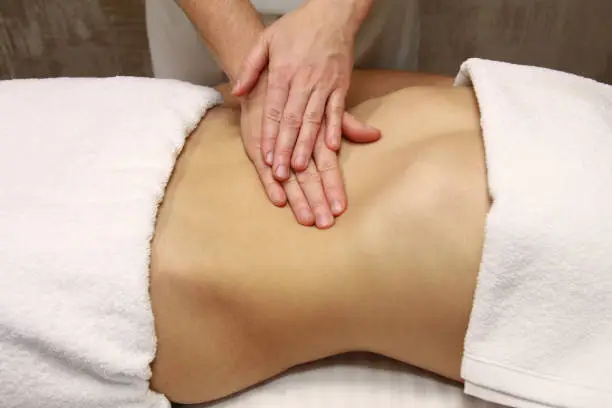
Lymphatic massage uses light, rhythmic strokes to encourage lymph fluid movement toward drainage points.
This helps clear waste from tissues more efficiently, supporting the body's natural elimination processes.
The Importance of Gentle Pressure
Lymphatic vessels sit close to the skin's surface and are easily collapsed by deep pressure.
Gentle technique ensures vessels remain open and fluid moves effectively.
Enhancing Circulation and Flow
By encouraging lymph movement, massage supports overall circulation.
Improved flow delivers oxygen and nutrients while carrying waste toward elimination routes.
Supporting Liver and Kidney Function Indirectly
While lymphatic massage does not detoxify directly, efficient lymph flow reduces the burden on other systems.
The liver and kidneys function better when circulation and fluid balance are optimal.
Reducing Fluid Retention
When lymph flow slows, fluid and waste accumulate in tissues, causing puffiness and heaviness.
Lymphatic massage encourages drainage, reducing this retention.
What Lymphatic Massage Cannot Do
It does not "flush toxins" on its own. It does not replace liver or kidney function.
Claims that massage alone detoxifies the body oversimplify complex biology.
Supporting Recovery and Wellness
By reducing swelling and supporting circulation, lymphatic massage contributes to overall wellness.
Many patients report feeling lighter and more comfortable after sessions.
Who Benefits Most From Treatment
Patients with puffiness, sluggish circulation, post-surgical swelling, or fatigue may benefit.
Consultation determines suitability based on your health history.
Who Should Approach With Caution
Active infections, blood clots, heart conditions, and certain diagnoses may require medical clearance.
Always disclose your full health history.
What a Session Typically Involves
Sessions begin with a brief consultation. The practitioner works systematically toward drainage points.
Expect light, rhythmic strokes. Sessions typically last forty-five to ninety minutes.
Aftercare and Supporting Results
Hydration is essential after lymphatic massage. Water supports the flushing of released waste.
Gentle movement, deep breathing, and compression garments (if advised) support ongoing drainage.
How Often to Schedule Sessions
Frequency varies by goal. Many benefit from weekly or biweekly sessions.
Maintenance sessions can be spaced further apart once results stabilize.
Potential Side Effects and Safety
Mild fatigue or increased urination is common after sessions as fluid clears.
Serious complications are uncommon with qualified practitioners.
For those seeking expert guidance and customized aesthetic care, you can book an appointment consultation at the Enfield Royal Riyadh.
FAQs
Does lymphatic massage detoxify the body?
It supports natural drainage; the liver and kidneys perform detoxification.
How does it help eliminate waste?
It encourages lymph movement, helping clear waste from tissues.
Why is gentle pressure important?
Deep pressure can collapse lymphatic vessels rather than stimulate flow.
How often should I get lymphatic massage?
Frequency varies by goal; many benefit from weekly or biweekly sessions.
What should I do after a session?
Hydrate well, move gently, and follow aftercare guidance.
Final Thoughts
Lymphatic massage supports the body's natural detoxification processes by encouraging fluid movement and waste clearance. It does not detoxify directly—it assists the systems that do. When properly assessed and consistently applied, it contributes to better circulation, reduced puffiness, and overall wellness. Genuine detoxification is a biological process—lymphatic massage helps it work more efficiently.


Share this page with your family and friends.