Related Blogs


Lymphatic Massage for Supporting Daily Comfort With Fluid Retention
7 minutes, 54 seconds
-7 Views 0 Comments 2 Likes 0 Reviews
Fluid retention can cause puffiness, a feeling of heaviness, and discomfort that affects everyday activities. It may appear in areas such as the face, hands, arms, legs, or ankles, depending on the underlying cause. Understanding the reason for swelling is an important first step toward choosing suitable care. For people experiencing certain types of swelling, Lymphatic massage (مساج لمفاوي) in Riyadh may be considered as part of a professionally guided approach to supporting comfort and managing fluid buildup. The appropriate technique depends on individual symptoms, medical history, and the condition of the lymphatic system.
Understanding Fluid Retention and Its Common Causes
Fluid retention occurs when excess fluid collects in body tissues. It may be associated with prolonged sitting or standing, hormonal changes, certain medications, circulation problems, or medical conditions affecting the heart, kidneys, liver, or lymphatic system. Mild puffiness can sometimes improve with movement and changes in daily habits, but persistent or unexplained swelling should not be ignored. Identifying the cause helps determine whether massage, medical treatment, lifestyle adjustments, or another approach may be appropriate.
How the Lymphatic System Supports the Body
The lymphatic system is a network of vessels, tissues, and lymph nodes that helps return excess tissue fluid to the bloodstream and supports immune function. When lymphatic drainage is impaired, fluid may accumulate and contribute to swelling. Lymphatic massage in Riyadh may involve gentle, specialized movements intended to encourage lymph flow in suitable individuals. This technique, often called manual lymphatic drainage, differs from a conventional deep-tissue massage because it generally uses light, controlled pressure rather than forceful manipulation.
How Lymphatic Massage May Support Daily Comfort
When recommended for an appropriate condition, manual lymphatic drainage may help manage certain types of swelling, including lymphedema, as part of a broader treatment plan. Some people may experience reduced tightness or a lighter sensation in an affected area. However, results vary, and massage does not treat every cause of fluid retention. It should not be viewed as a method for removing toxins, reducing body fat, or producing guaranteed long-term results. A qualified professional can explain realistic outcomes based on the person's symptoms and health needs.
Areas That May Experience Fluid-Related Discomfort
Fluid buildup can affect different parts of the body. Facial puffiness may be noticeable in the morning, while swelling in the hands or fingers can make everyday tasks feel uncomfortable. Some people experience heaviness or swelling in the lower legs and ankles after extended periods of standing or sitting. The best response depends on the location and cause of the symptoms. Massage techniques should be selected carefully, and swelling that is new, persistent, painful, or worsening requires medical assessment rather than self-treatment alone.
What to Expect During a Lymphatic Massage Session
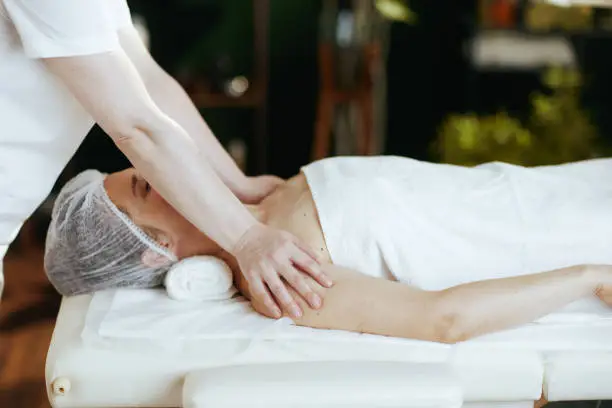
A suitable session typically begins with a discussion of symptoms, medical history, medications, and treatment goals. The practitioner may assess the affected area and explain the technique before starting. Manual lymphatic drainage generally uses slow, gentle, rhythmic movements that follow specific lymphatic pathways. The session should not cause significant pain or involve aggressive pressure. Depending on the underlying condition, a healthcare professional may recommend other measures alongside massage, such as prescribed compression garments, appropriate exercise, skin care, or specialist treatment.
Daily Habits That May Help Manage Fluid Retention
Daily habits can support general circulation and comfort, although they cannot replace treatment for an underlying medical condition. Regular movement, short walking breaks, and avoiding long periods in one position may help some people. Elevating swollen limbs may be beneficial in certain circumstances when recommended by a healthcare professional. Following medical advice about salt intake, hydration, medication, and compression is also important. Avoid starting restrictive diets, changing prescribed medication, or using intensive massage techniques without appropriate guidance.
Safety Considerations Before Treatment
Lymphatic massage is not suitable for every person or every type of swelling. Medical assessment is important before treatment when someone has unexplained edema, a suspected blood clot, an active infection, or certain heart or kidney conditions. People recovering from surgery should follow their surgical team's instructions and obtain clearance when necessary. Sudden swelling in one leg, especially with pain, redness, or warmth, needs urgent medical assessment. Chest pain or shortness of breath requires emergency care. These symptoms should never be managed with massage instead of medical attention.
Choosing an Appropriate Treatment Plan
A personalized approach considers the cause of fluid retention, the area affected, symptom severity, and overall health. A qualified practitioner can help determine whether lymphatic drainage is suitable or whether referral to a medical professional is needed. For diagnosed lymphedema, treatment may require a comprehensive plan rather than massage alone. Lymphatic massage in Riyadh should therefore be approached as a potential supportive treatment when clinically appropriate, with expectations based on individual needs rather than general promises.
Book a Consultation at Royal Clinic Saudi
If fluid retention is affecting your daily comfort, consider discussing your symptoms and treatment options with a qualified professional. Royal Clinic Saudi (عيادات رويال كلينك) can be contacted to ask about consultation availability and whether lymphatic massage may be suitable for your needs. A proper assessment can help you understand the potential benefits, precautions, and other care options before beginning treatment.
FAQs:
1. Can lymphatic massage help with fluid retention?
It may help manage certain types of swelling, particularly when recommended as part of an appropriate treatment plan.
2. Is lymphatic massage suitable for everyone?
No. Some medical conditions and unexplained swelling require assessment before massage is considered.
3. How often should lymphatic massage be performed?
Frequency depends on the individual's condition, treatment goals, and advice from a qualified healthcare professional.
4. Can lymphatic massage replace medical treatment for swelling?
No. It may support care in selected cases, but the underlying cause of swelling should be identified and treated appropriately.

Photos


Share this page with your family and friends.