Related Blogs


Laser Tattoo Removal Approaches for Complex Tattoo Designs
10 minutes, 28 seconds
-70 Views 0 Comments 1 Like 0 Reviews
Complex tattoos often combine several colours, intricate patterns, overlapping lines, and different levels of pigment density. While these designs can have impressive visual detail, removing them may require a more carefully planned approach than treating a small, simple tattoo. Laser tattoo removal in Riyadh uses targeted light energy to break down unwanted tattoo pigments gradually, allowing the body to process the fragmented ink over time. Understanding the characteristics of a complex design is an important first step toward selecting an appropriate treatment strategy.
A detailed tattoo may contain several types of ink deposited at different depths, making its response to laser treatment less predictable. Some areas may fade sooner than others, while certain colours can require different laser wavelengths. Before starting Laser tattoo removal in Riyadh, a professional assessment helps identify these variations and establish realistic expectations. The treatment plan should consider the complete design rather than treating every part of the tattoo as if it were identical.
Why Complex Tattoo Designs Require Individual Planning
Multiple Colours and Pigment Types
A tattoo featuring black outlines, red details, blue shading, and green sections presents several treatment considerations. Different pigments absorb different wavelengths of light, so one laser setting may not be equally effective across the entire design. A practitioner may need to select suitable wavelengths for the individual colours and adjust the approach according to the skin's response.
Some dark pigments often respond well to commonly used laser systems, while certain bright or light colours may be more resistant. Cosmetic pigments and inks containing white components can also respond unpredictably. Examining the tattoo under appropriate conditions helps the practitioner understand which areas may be more challenging.
Dense Ink and Layered Artwork
Large designs with heavy shading or repeated ink application may contain a greater concentration of pigment. Tattoos that have been retouched or layered over older artwork can be especially complicated because multiple ink deposits may be present. The depth and density of these deposits can influence how quickly different sections fade.
A professional evaluation helps distinguish between areas with dense pigment and those with lighter shading. This information supports a more organised treatment plan and helps avoid unrealistic expectations about the speed of removal.
Laser Technologies Used for Different Tattoo Pigments
Selecting Appropriate Wavelengths
Laser systems use specific wavelengths to target particular pigment colours. The appropriate wavelength depends on how the ink absorbs light and how the surrounding skin may respond. Since complex tattoos can contain several colours, treatment selection should be based on the actual pigment composition rather than the overall appearance of the design.
The practitioner also considers skin tone, tattoo location, and the history of previous treatments. Selecting suitable settings is important for balancing pigment reduction with the protection of surrounding tissue.
Understanding Short-Pulse Laser Technology
Some modern tattoo removal systems deliver energy in extremely short pulses. This can create a photoacoustic effect that helps fragment pigment particles while limiting unnecessary heat exposure. The technology used depends on the equipment available and the clinical characteristics of the tattoo.
Not every laser system is suitable for every pigment or skin type. A qualified practitioner should explain why a particular technology is being considered and discuss its expected benefits and limitations.
Factors That Influence the Removal of Intricate Tattoos
Tattoo Size, Age, and Location
Large tattoos naturally involve a greater area to treat, which can affect appointment duration and the overall treatment schedule. Older designs may have faded naturally, although age alone does not determine how easily a tattoo can be removed. The location also matters because skin thickness, circulation, and healing characteristics vary across the body.
Skin Tone and Individual Healing
Skin tone and personal healing characteristics influence the selection of laser settings. People with a history of pigmentation changes, raised scars, or sensitive skin should discuss these concerns during consultation. A practitioner may recommend a cautious approach based on the condition of the skin and the potential for unwanted reactions.
Previous Cover-Ups or Removal Attempts
A cover-up tattoo may contain several layers of ink, making the pigment composition more difficult to assess. Previous laser sessions can also change the appearance and distribution of the remaining ink. Sharing details about earlier procedures helps the practitioner understand the treatment history and plan the next steps more appropriately.
What Happens During a Complex Tattoo Removal Session?
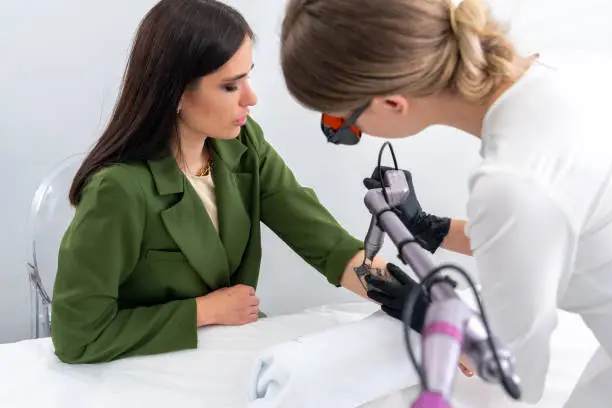
The process generally begins with an examination of the design, including its colours, density, size, and location. The practitioner reviews relevant medical and skin history, discusses the desired outcome, and explains the expected treatment stages. Protective eyewear is worn to shield the eyes from laser exposure.
During the procedure, controlled laser pulses are directed over the selected tattoo areas. The sensation may feel like brief snapping or stinging against the skin. Cooling methods or other comfort measures may be used when appropriate. Larger or more detailed designs can require additional appointment time, depending on the area being treated.
After the session, temporary redness, swelling, tenderness, or blistering may occur. These reactions should be managed according to the practitioner's aftercare instructions.
Recovery and Aftercare for Better Skin Support
Aftercare is particularly important when treating large or detailed tattoos because the skin needs time to recover. Keep the treated area clean, use recommended dressings or products as directed, and avoid rubbing or scratching the skin. Do not pick at scabs or blisters, as this may increase the risk of infection and scarring.
Protect the area from direct sunlight and follow professional guidance about exercise, swimming, shaving, and applying skincare products. Treatment sessions are usually spaced several weeks apart so the skin can heal and the body can gradually process fragmented pigment. Seek medical advice if severe pain, spreading redness, unusual discharge, or fever develops.
Setting Realistic Expectations for Complex Designs
Removing a complex tattoo is generally a gradual process, and complete clearance cannot be guaranteed. Some colours may fade more slowly, while dense or deeply deposited pigments may remain visible after several sessions. Temporary changes in skin colour and, less commonly, scarring or infection are possible complications.
Your intended outcome also matters. Some individuals want the entire design removed, while others only want enough fading to make a new cover-up possible. Discussing this goal helps the practitioner create a treatment plan that reflects your preferences and the tattoo's characteristics. Laser tattoo removal in Riyadh should always be approached with realistic expectations and an understanding that results vary between individuals.
Book a Consultation at Royal Clinic Saudi
If you have a detailed or multicoloured tattoo that you would like to fade, a professional consultation can help clarify your options. Royal Clinic Saudi can assess the design, examine the surrounding skin, and discuss suitable laser approaches, expected treatment stages, and aftercare. An individualised evaluation can help you understand the process before deciding how to proceed.
FAQs:
1. Are complex tattoos harder to remove than simple designs?
They can be more challenging because they may contain multiple colours, dense shading, and pigments deposited at different depths.
2. Can one laser wavelength remove every tattoo colour?
No. Different pigments absorb different wavelengths, so the appropriate laser approach depends on the colours present.
3. How many sessions are needed for a large, detailed tattoo?
The number varies according to the tattoo's size, colour, density, depth, and individual skin response. A consultation can provide an estimated treatment plan.
4. Can I have a cover-up after laser tattoo removal?
A cover-up may be possible once the treated skin has fully healed. Your practitioner and tattoo artist can discuss how much fading is needed before a new design is applied.
laser tattoo removal tattoo removal Riyadh Laser Tattoo Removal in Riyadh

Photos


Share this page with your family and friends.