
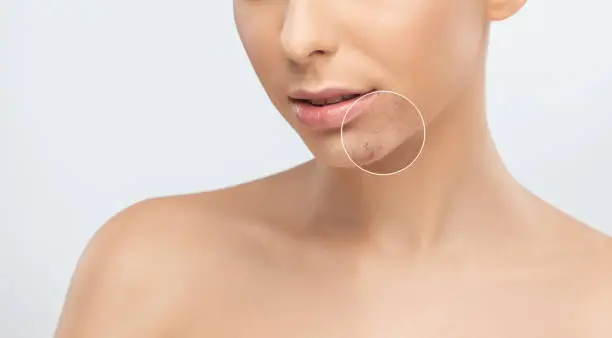
Acne scars that have been present for years behave differently from recent ones. Over time, scar tissue matures, fibrous bands tighten, and collagen becomes increasingly disorganized. Pigmentation may fade or persist, and skin quality declines with age. These longstanding scars require a thoughtful, often multi-layered approach rather than a single treatment. Laser Acne Scar Treatments in Riyadh explains how laser acne scar treatments address mature and longstanding acne scars and what patients should realistically expect.
How Longstanding Scars Differ From New Scars
New scars are still remodeling, with active collagen turnover and some potential for natural improvement. Mature scars have stabilized, meaning the tissue has settled into its final architecture. Fibrous bands are denser, depressions are more defined, and raised scars may have thickened. This stability makes mature scars more resistant to treatment, requiring more sessions and often combination therapy. For anyone considering Laser Acne Scar Treatments in Riyadh, understanding this difference helps set appropriate expectations.
Why Mature Scars Are Harder to Treat
Mature scars are harder to treat because the tissue has become more rigid over time. Fibrous bands tether rolling scars firmly, limiting how much the skin can rise. Collagen in depressed scars is often replaced by fibrous tissue that does not respond as readily to stimulation. Pigmentation may have become deeper or more persistent. Patients searching for acne scar treatment in riyadh with longstanding scars should expect a longer treatment course than those with newer scarring.
The Role of Combination Therapy
For mature scars, lasers alone often produce limited results. Combination therapy addresses multiple aspects of scarring simultaneously. Subcision releases fibrous bands, allowing the skin to rise. Lasers then resurface texture and stimulate collagen. Fillers may temporarily elevate persistent depressions. Microneedling and PRP enhance healing. Vascular and pigment lasers address discoloration. A layered plan produces better outcomes than any single modality.
How Ablative Lasers Help Mature Scars
Ablative lasers remove the outer skin layer and trigger deep collagen remodeling. For mature scars, they can soften defined edges and improve overall texture. However, ablative lasers carry higher downtime and pigmentation risk, particularly for darker skin tones. They are typically reserved for patients with lighter skin and significant textural concerns who can accommodate recovery time.
How Fractional Lasers Help Mature Scars
Fractional lasers create microscopic treatment zones that stimulate collagen while leaving healthy tissue intact. Fractional ablative lasers offer stronger remodeling for mature scars with moderate downtime. Fractional non-ablative lasers provide gentler improvement with minimal disruption. Both approaches can be repeated over multiple sessions to gradually soften longstanding scars.
Addressing Fibrous Bands With Subcision
Fibrous bands are a major obstacle in mature rolling scars. These bands anchor the skin downward, preventing it from rising even after collagen stimulation. Subcision uses a small needle to break these attachments, releasing the skin. Laser treatment performed after subcision smooths the surface and stimulates new collagen. This combination is often essential for meaningful improvement in longstanding rolling scars.
Managing Pigmentation in Mature Scars
Longstanding scars often include pigmentation that has persisted for years. Vascular lasers reduce redness by targeting dilated blood vessels. Pigment lasers break down excess melanin. Fractional resurfacing removes pigmented surface cells. These treatments complement collagen remodeling and improve overall tone. Patients should understand that pigmentation may require more sessions than texture improvement.
The Importance of Realistic Expectations
Mature scars rarely disappear completely. Patients should expect meaningful improvement in texture, depth, and tone rather than flawless skin. Multiple sessions, typically four to eight or more, may be required. Results develop gradually over six to twelve months. Honest consultation ensures expectations align with what treatment can realistically achieve for longstanding scarring.
Preparing Mature Skin for Treatment
Mature skin requires careful preparation. Hydration and barrier support are essential before treatment. Retinoids and exfoliating acids should be paused as advised. Sun exposure must be avoided. If skin is thin or fragile, gentler laser settings may be appropriate. Patients considering Laser Acne Scar Treatments in Riyadh should follow pre-treatment instructions precisely to optimize healing.
Aftercare for Mature Skin
Aftercare is especially important for mature skin, which heals more slowly. Gentle cleansing, frequent moisturizing, and strict sun protection are essential. Harsh actives should be reintroduced gradually. Patients should avoid picking or scratching treated areas. Follow-up appointments allow providers to assess healing and adjust the plan as needed.
Book an Appointment Consultation Clinic
For those seeking expert guidance and customized aesthetic care, you can book an appointment consultation at the Enfield Royal Riyadh. Their team designs layered treatment plans for mature and longstanding scars, combining modalities for optimal results.
FAQs
Can laser treatments improve longstanding acne scars?
Yes, though mature scars require more sessions and often combination therapy for meaningful improvement.
Why are mature scars harder to treat?
Fibrous tissue, dense bands, and stabilized collagen make mature scars more resistant to remodeling.
Is subcision necessary for rolling scars?
Often yes, as it releases fibrous bands that prevent the skin from rising.
How many sessions are needed for mature scars?
Typically four to eight or more sessions, depending on severity and treatment combination.
Is acne scar treatment in riyadh effective for older scars?
Yes, quality providers combine lasers with other modalities to improve longstanding scarring.
Conclusion
Mature and longstanding acne scars require a thoughtful, layered approach that addresses fibrous bands, textural irregularities, and pigmentation. Lasers play a central role, but combination therapy with subcision, fillers, and other modalities often produces the best results. If you are considering Laser Acne Scar Treatments in Riyadh, choose a provider experienced with mature scarring who can design a comprehensive plan. With patience and consistent care, significant improvement is achievable.


Share this page with your family and friends.