
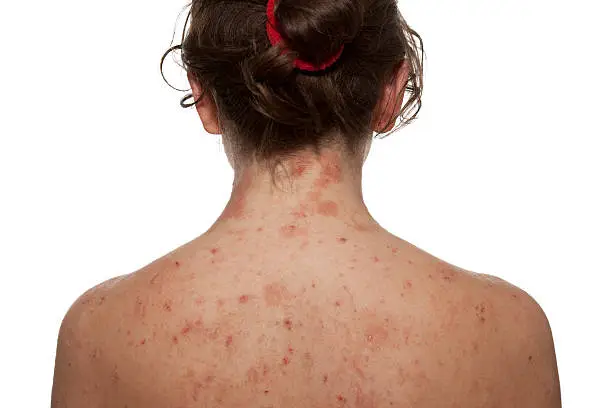
Swimming and intense exercise are excellent for your health, but they create specific challenges for back acne. Chlorine, salt water, sweat, and prolonged contact with damp swimwear or workout gear all affect the skin in ways that can trigger or worsen breakouts. How to Treat Back Acne (كيفية علاج حب الشباب في الظهر) Many people find that their back acne flares precisely when they are most active. Understanding How to Treat Back Acne after swimming or heavy exercise means knowing what happens to your skin during these activities and how to respond promptly and appropriately.
Why Swimming and Exercise Trigger Back Acne
Chlorine and Pool Chemicals
Chlorine strips the skin of natural oils, disrupting the barrier. This can trigger rebound oil production, which clogs follicles and worsens acne.
Salt Water and Ocean Swimming
Salt water can dehydrate the skin and leave residue that, combined with sunscreen and sweat, congests pores.
Sweat Combined With Heat
Exercise raises body temperature and produces sweat. When trapped under clothing, this creates a warm, moist environment where bacteria multiply rapidly.
Occlusive Swimwear and Gear
Wetsuits, swimsuits, and compression garments trap moisture and heat against the back for extended periods.
Friction From Movement
Swimming strokes and gym equipment create repeated friction against the back, triggering acne mechanica in specific areas.
Delayed Showering
Post-swim and post-workout routines often delay showering. The longer chlorine, salt, sweat, and bacteria remain on the skin, the greater the risk of congestion.
What to Do Immediately After Swimming
Rinse as Soon as Possible
Chlorine, salt, and sunscreen residue all clog pores. Rinse with fresh water within thirty minutes of leaving the pool or sea.
Cleanse Gently
Use a mild, fragrance-free cleanser to remove residue without stripping the barrier. Avoid harsh scrubbing, which irritates chlorine-exposed skin.
Pay Attention to the Back
Use a long-handled soft brush or spray cleanser if reach is limited. Ensure the entire back is rinsed, not just the areas you can comfortably touch.
Change Out of Wet Swimwear Immediately
Damp fabric against the back encourages bacterial growth. Change into dry, breathable clothing as soon as practical.
Moisturise With Lightweight Formulas
Chlorine and salt water dehydrate the skin. A non-comedogenic lotion restores moisture and supports barrier recovery.
Avoid Heavy Body Lotion
Thick creams trap heat and residue against the skin. Choose lightweight, water-based formulas instead.
What to Do Immediately After Heavy Exercise
Cool Down First
Allow your body temperature to settle before showering. Sudden temperature changes can be uncomfortable, and cooling down reduces continued sweating.
Shower Promptly
Rinse within thirty minutes of finishing your workout. Prompt cleansing prevents bacterial proliferation in trapped sweat.
Cleanse the Back Thoroughly
Use a gentle cleanser and ensure full coverage of the back. If reach is limited, use a spray cleanser or long-handled applicator.
Remove Sweaty Clothing Immediately
Never linger in damp workout gear. Change into clean, dry clothing as soon as possible.
Pat Dry, Never Rub
Rubbing creates friction and spreads bacteria across freshly cleansed skin.
Apply Treatment to Dry Skin
Once the back is completely dry, apply your leave-on acne treatment across the entire area.
Moisturise
Barrier support after exercise reduces reactivity and regulates oil production. A Back acne treatment plan works best when moisturising is consistent.
Managing Gear and Equipment
Clean Swimwear and Workout Clothing Immediately
Never leave damp gear in a bag. Wash after every use in hot water with fragrance-free detergent.
Skip Fabric Softener
Softener leaves a waxy residue that transfers to skin and clogs pores. Wool dryer balls or white vinegar work better.
Add an Extra Rinse Cycle
An additional rinse removes residual detergent and chlorine from fabric.
Wipe Shared Equipment Before Use
Gym benches, mats, and machines carry bacteria from previous users. A quick wipe before contact reduces transfer significantly.
Clean Straps and Bags Regularly
Backpacks, sports bras, and gym bags contact the back directly. Wipe them down and wash fabric versions frequently.
Replace Worn Gear
Straps and garments that have lost shape or developed rough edges cause more friction. Replace them when they begin irritating your skin.
Dry Gear Completely
Damp gear encourages bacterial and fungal growth. Ensure clothing and equipment are fully dry before storage.
Protecting Skin During Swimming and Exercise
Choose Moisture-Wicking Base Layers
Technical fabrics pull sweat away from the skin rather than holding it against the body.
Avoid Heavy Lotions Before Training
Thick moisturisers and occlusive products trap sweat and clog pores during exercise. Apply lightweight formulas or wait until after showering.
Apply Sunscreen Carefully
Choose non-comedogenic, oil-free, fragrance-free sunscreen. Rinse thoroughly after sun exposure ends.
Consider Protective Balm in Friction Zones
Where straps or equipment rub consistently, a thin layer of non-comedogenic protective balm can reduce friction damage.
Take Micro-Breaks
Brief pauses in cool, ventilated areas allow skin to dry and reduce prolonged moisture exposure.
Use Your Own Towel
Bring your own towel and avoid sharing. Wipe sweat from the back periodically rather than letting it pool.
Avoid Touching or Scratching
Hands carry bacteria, and scratching worsens inflammation. Resist the urge to adjust or rub the area.
Managing Flare-Ups After Activity
Resist the Urge to Escalate Treatment
If breakouts worsen, do not add stronger products. This usually increases irritation rather than resolving the problem.
Simplify Your Routine
Reduce to essentials: gentle cleanser, one active treatment, and moisturiser.
Reduce Active Frequency Temporarily
If skin is inflamed, use your active every second or third day. Calming the skin resolves flares faster than pushing through.
Focus on Barrier Support
Panthenol, ceramides, niacinamide, and oatmeal calm irritation and support recovery.
Keep Hands Off
Picking and squeezing during a flare pushes bacteria deeper, increases inflammation, and creates scars.
Use Cool Compresses for Discomfort
A cool, damp cloth reduces heat and redness. Avoid ice directly on the skin.
Consider Adjusting Your Activity Temporarily
If flares are severe and recurring, reducing training intensity briefly may allow skin to recover.
Lifestyle Habits That Support Clear Skin
Shower Promptly After All Sweating
This remains the single most effective preventive habit regardless of activity type.
Choose Breathable Fabrics Daily
Loose cotton for everyday wear and moisture-wicking technical fabrics for exercise.
Wash Bedding Weekly
Sheets and pillowcases collect oil and bacteria overnight. Hot water with fragrance-free detergent keeps them skin-friendly.
Rinse Hair Products Before Washing Your Body
Conditioner residue clogs back pores. Washing hair first prevents this entirely.
Stay Hydrated
Water supports circulation, lymphatic function, and skin repair. Increased sweating raises fluid needs.
Prioritise Sleep and Stress Management
Both influence oil production and inflammation. Consistent rest supports recovery from exercise and skin healing.
Maintain a Balanced Diet
Protein, vegetables, omega-3 fats, and reduced refined sugars all support skin health and recovery.
When to Seek Professional Help
Persistent Breakouts Despite Good Habits
If breakouts continue after eight to twelve weeks of consistent post-activity care, professional assessment is appropriate.
Deep or Painful Lesions
Nodular acne requires prescription treatment and carries higher scarring risk.
Recurring Patterns Tied to Activity
If breakouts consistently follow swimming or training, a dermatologist can help design a routine that accounts for it.
Customised Planning
A Back acne treatment plan for active patients should consider your sport, equipment, schedule, and skin type. Professional guidance makes management far more effective.
Final Thoughts: Act Quickly, Recover Well
Swimming and heavy exercise do not have to mean persistent back acne. Rinsing promptly, changing out of damp gear, cleansing gently, and supporting the barrier with lightweight moisturiser prevent most activity-related breakouts. Understand How to Treat Back Acne as something you manage immediately after sweating, and your skin will cope far better with even the most demanding routine.
For those seeking expert guidance and customized aesthetic care, you can book an appointment consultation at the 'Enfield Royal Riyadh(إنفيلد رويال الرياض).
FAQs
Why does my back acne flare after swimming?
Chlorine, salt, and sunscreen residue combined with damp swimwear clog pores and disrupt the skin barrier.
How soon should I shower after exercise?
Rinse within thirty minutes of finishing your workout to prevent sweat-related breakouts.
Can I prevent back acne if I swim regularly?
Yes, rinse immediately after swimming, change out of wet swimwear, and moisturise with lightweight non-comedogenic lotion.
Should I skip sunscreen to avoid back acne?
No, choose non-comedogenic, oil-free, fragrance-free sunscreen and rinse thoroughly afterward.
When should I see a dermatologist?
If breakouts persist after eight to twelve weeks of consistent care or if deep, painful lesions develop.


Share this page with your family and friends.