
Related Blogs


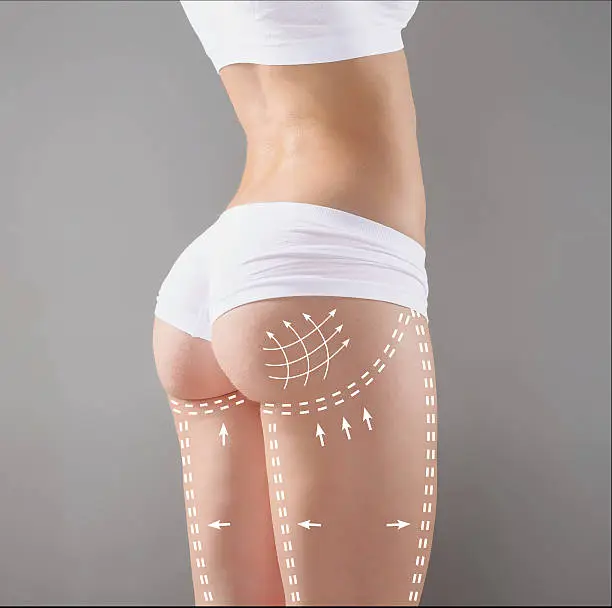
How Surgeons Plan Liposuction for Balanced Body Proportions
11 minutes, 1 second
-4 Views 0 Comments 2 Likes 0 Reviews
Balanced body proportions are an important consideration in cosmetic body contouring. Some people have localised fat deposits around the abdomen, waist, hips, thighs, arms, or back that remain noticeable despite regular exercise and balanced nutrition. Liposuction can help refine these areas by removing selected fat deposits and improving the body's overall outline.
People researching Liposuction in Riyadh should understand that achieving balanced contours requires careful planning rather than simply removing as much fat as possible. Surgeons consider natural anatomy, fat distribution, skin elasticity, and individual goals before recommending treatment. A personalised approach helps establish realistic expectations and reduces the risk of creating uneven or disproportionate results.
How Surgeons Assess Body Shape Before Liposuction
Evaluating Fat Distribution
The first stage of planning involves examining where fat is concentrated and how it affects the body's natural contours. Some individuals have more fullness around the waist, while others notice deposits around the lower abdomen, thighs, or back. The surgeon evaluates these areas to determine whether liposuction may provide a meaningful improvement.
Fat distribution varies according to genetics, hormones, age, and body composition. A treatment plan that works well for one person may not be appropriate for another. The surgeon therefore assesses each treatment area individually while considering how changes in one region may affect the appearance of surrounding areas.
Considering Natural Body Structure
Body proportions are influenced by factors such as bone structure, shoulder width, hip shape, and the natural distribution of muscle and fat. Liposuction can modify selected fat deposits, but it cannot change the underlying skeletal structure.
Surgeons consider these characteristics when planning the extent and location of fat removal. The objective is to create smoother transitions between body regions while preserving the patient's natural appearance. This approach helps avoid unrealistic expectations about achieving a particular body shape.
The Importance of Skin Elasticity
Skin elasticity influences how well the skin adapts after the underlying fat layer becomes smaller. When skin elasticity is good, the skin may contract more effectively around the newly contoured area. When elasticity is reduced, loose skin may remain noticeable even after fat removal.
Ageing, previous weight changes, pregnancy, sun exposure, and individual characteristics can affect skin quality. Surgeons assess these factors before recommending liposuction because the procedure primarily removes fat rather than significant excess skin.
If substantial skin laxity is present, the surgeon may discuss alternative or additional procedures. Understanding these limitations before surgery helps patients form realistic expectations about the possible outcome.
Planning Treatment for Different Body Areas
Abdomen and Waist
The abdomen and waist are commonly considered together because their contours influence one another. Reducing selected abdominal fat deposits may improve the profile, while treating the flanks may create a smoother transition between the waist and hips.
Surgeons evaluate the thickness and distribution of fat in these regions, along with skin quality and abdominal structure. They also assess whether the appearance is influenced by loose skin or separated abdominal muscles, since liposuction alone does not correct these conditions.
Hips and Thighs
Fat distribution around the hips and thighs can influence the body's overall silhouette. Depending on individual anatomy, liposuction may help reduce localised fullness and improve the transition between neighbouring areas.
Planning is especially important when treating several regions because excessive removal in one area may create an uneven appearance. The surgeon considers the patient's natural shape and aims for a proportionate result rather than attempting to make every area identical.
Arms and Back
Localised fat around the upper arms or back may also affect overall body proportions. Treatment planning considers the location of the deposits, the thickness of the fat layer, skin elasticity, and the relationship between the treated area and the rest of the body.
The surgeon should explain whether liposuction alone is likely to achieve the desired improvement. If loose skin is a major concern, removing fat may not provide the level of firmness a patient expects.
Determining the Amount of Fat to Remove
Removing an appropriate amount of fat is a central part of surgical planning. The surgeon considers the patient's health, treatment areas, natural anatomy, and desired improvement when determining the extent of the procedure. The aim is not to remove the maximum possible amount but to achieve a suitable contour while prioritising safety.
Excessive fat removal can increase the risk of visible depressions, unevenness, fluid shifts, and other complications. The surgeon must also consider the overall scope of the procedure and whether treating multiple areas at once is appropriate.
Patients should discuss the planned treatment areas and expected limitations during consultation. Clear communication helps align expectations with what can reasonably be achieved.
Choosing an Appropriate Liposuction Technique
Different liposuction techniques may be used depending on the treatment plan. Traditional suction-assisted liposuction removes fat through a cannula and suction, while power-assisted methods use a mechanically moving cannula to help with fat removal. Ultrasound-assisted and laser-assisted methods use energy to help disrupt fat tissue before or during removal.
No technique is automatically best for every patient. The surgeon selects an approach based on factors such as the treatment area, tissue characteristics, medical suitability, and professional experience. Patients should ask why a particular method is recommended and understand its possible benefits, limitations, and risks.
Preparing for Surgery and Recovery
Medical Evaluation and Consultation
Before surgery, the surgeon reviews the patient's medical history, current medications, allergies, previous procedures, and general health. Patients should disclose relevant information accurately and follow instructions about medication adjustments or preparation.
The consultation should cover the expected outcome, anaesthesia, potential complications, recovery requirements, and follow-up care. Patients should have enough information to make a considered decision and should never feel pressured to proceed.
Recovery and Follow-Up Care
After liposuction, swelling, bruising, tenderness, and temporary changes in sensation may occur. Compression garments may be recommended to help manage swelling, while gentle movement may be encouraged when approved by the surgeon. Strenuous activity should be postponed until the medical team confirms it is safe.
The final contours develop gradually as swelling settles, sometimes over several months. Follow-up appointments allow the surgeon to monitor healing and assess the evolving result. Severe or worsening pain, fever, rapidly increasing swelling, chest pain, or sudden difficulty breathing should not be ignored; serious symptoms require urgent medical attention.
Maintaining Balanced Results Over Time
Liposuction removes selected fat cells, but it does not prevent future weight gain. Remaining fat cells can enlarge if a person gains weight, which may change the body's proportions. Maintaining a stable weight through balanced nutrition and regular physical activity can help preserve the results.
Natural ageing and changes in skin elasticity can also influence body shape. A realistic approach to body contouring recognises that results can change over time and that long-term maintenance remains important after surgery.
Book a Consultation at Royal Clinic Saudi
Individuals considering Liposuction in Riyadh can consult Royal Clinic Saudi to discuss their body-contouring goals and learn how surgeons plan treatment for balanced proportions. A professional assessment can help identify suitable areas, explain the limitations of fat removal, and outline the expected recovery process and potential risks. Understanding the planning process can help patients make informed decisions based on their anatomy and personal goals.
FAQs:
How do surgeons plan liposuction for balanced body proportions?
Surgeons assess fat distribution, skin elasticity, natural anatomy, health, and the patient's goals before deciding which areas to treat and how much fat to remove.
Can liposuction change my natural body shape?
It can refine selected contours by removing localised fat, but it cannot change bone structure or guarantee a particular body shape.
Does skin elasticity affect liposuction planning?
Yes. Skin elasticity influences how well the skin may adapt after fat removal and helps the surgeon determine whether liposuction alone is appropriate.
How long does it take to see the final results?
Swelling gradually subsides over several weeks or months. The surgeon can provide a more individualised estimate based on the treatment plan and recovery progress.
liposuction riyadh cost of liposuction in saudi arabia Liposuction in Riyadh

Photos


Share this page with your family and friends.