
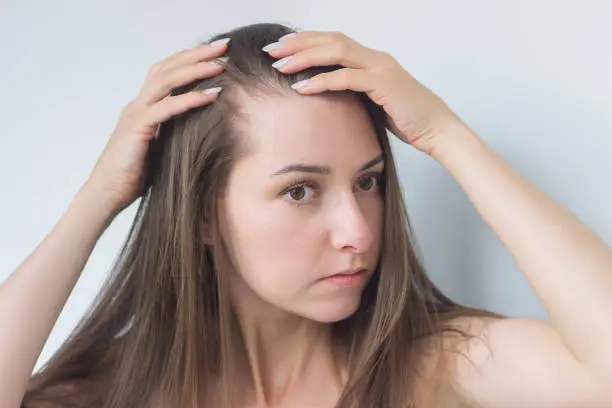
Hair transplantation is effective—but it's not the only option. For many people, non-surgical treatments can slow hair loss, stimulate regrowth, and improve hair density—without surgery, scarring, or recovery time. Hair Loss Treatment in Riyadh These treatments vary in evidence, effectiveness, and suitability—and the right approach depends on the cause of hair loss, its severity, and individual factors. explains non-surgical alternatives to hair transplants—what they are, what they can achieve, and what to consider.
Understanding Non-Surgical Options
Non-surgical hair loss treatments fall into several categories: topical medications, oral medications, procedural treatments, and lifestyle interventions. Each works differently—and each suits different types of hair loss. For androgenetic alopecia—genetic pattern hair loss—medications are the mainstay. For telogen effluvium—stress-related shedding—addressing the trigger is primary. For nutritional deficiencies—correction supports recovery. A specialist can determine which options suit your situation.
Topical Minoxidil
Minoxidil is one of the most established non-surgical treatments. Applied topically—as a solution or foam—it stimulates hair growth and prolongs the growth phase. It's effective for androgenetic alopecia in both men and women. Results typically appear after three to six months of consistent use—and require ongoing use—stopping causes reversal. Minoxidil is available over the counter—but professional guidance ensures appropriate use and expectations.
Oral Finasteride
Finasteride is an oral medication for male pattern hair loss. It works by reducing levels of dihydrotestosterone (DHT)—the hormone that shrinks hair follicles in genetically predisposed men. Studies show it slows hair loss and stimulates regrowth in many men. Results appear over months—and require ongoing use. Finasteride requires a prescription and professional supervision—side effects are possible—and it's not appropriate for women of childbearing age.
Other Oral Medications
Other oral medications may help specific types of hair loss. Spironolactone—an anti-androgen—is sometimes prescribed for women with hormonal hair loss. Oral minoxidil—a low-dose version—is increasingly used for various types of hair loss. These medications require professional supervision—they're not appropriate for everyone. A specialist determines whether oral medications suit your situation—and monitors for side effects.
Platelet-Rich Plasma (PRP)
PRP involves drawing your blood, processing it to concentrate platelets and growth factors, and injecting it into the scalp. Growth factors stimulate follicles and support hair growth. PRP is used for androgenetic alopecia—and sometimes for other types of hair loss. Results vary—multiple sessions are typically required—and maintenance may be needed. PRP is a non-surgical option—but requires professional administration. Evidence supports its use—though results vary by individual.
Low-Level Laser Therapy (LLLT)
LLLT—also called red light therapy—uses low-energy lasers or LEDs to stimulate follicles. Devices—including caps, combs, and helmets—are available for home use. LLLT is thought to improve circulation and cellular function—supporting hair growth. Evidence is mixed—but some studies show benefit for androgenetic alopecia. LLLT requires consistent use—results develop over months. It's a non-invasive option—with minimal risk—but results vary.
Microneedling
Microneedling creates controlled micro-injuries that stimulate collagen and growth factors—supporting hair growth. It's often combined with minoxidil—enhancing absorption and results. Microneedling is performed professionally—or with at-home devices. Evidence supports its use for androgenetic alopecia—particularly in combination with other treatments. It's minimally invasive—with minimal downtime. Multiple sessions are required—results develop over months.
Nutritional and Lifestyle Interventions
Nutrition and lifestyle support hair health—and address contributing factors. Correcting deficiencies—iron, vitamin D, zinc, protein—supports hair recovery. Stress management—reduces stress-related shedding. Gentle hair care—prevents additional damage. And sleep—supports repair and overall health. These interventions don't reverse genetic hair loss—but they support treatment and address contributing factors. They're foundational—not optional.
Comparing Options
The right option depends on your type of hair loss, severity, and preferences. Minoxidil and finasteride are first-line for androgenetic alopecia—with strong evidence. PRP, LLLT, and microneedling are adjuncts—supporting results. Nutritional and lifestyle interventions address contributing factors. Many people combine approaches—medications plus PRP, or minoxidil plus microneedling. A specialist can design a personalized plan—based on your diagnosis and goals.
When Transplants May Still Be Needed
Non-surgical treatments work best for early to moderate hair loss—they slow loss and stimulate regrowth. For significant hair loss—or areas of permanent follicle loss—transplantation may be more effective. Non-surgical treatments can complement transplants—supporting the survival of transplanted hair and slowing loss of existing hair. A specialist can advise whether non-surgical options suffice—or whether transplantation should be considered.
Questions to Ask During Consultation
Ask: Which non-surgical options suit my type of hair loss? What results are realistic? How long before I see improvement? What are the risks and side effects? Do I need combination treatment? A provider who answers specifically—referencing your situation—helps you choose the right approach.
When to Seek Professional Guidance
If you're considering non-surgical hair loss treatment, professional guidance can help. A hair specialist can diagnose the cause and recommend appropriate options. For personalized guidance on hair loss treatment, a consultation with qualified professionals offers clarity and direction.
Final Thoughts: Options Beyond Surgery
Non-surgical treatments offer effective options for many types of hair loss—minoxidil, finasteride, PRP, LLLT, microneedling, and lifestyle interventions. These treatments slow loss, stimulate regrowth, and support hair health—without surgery. The right approach depends on your diagnosis and goals. With professional guidance, non-surgical options can produce meaningful results—and surgery isn't always necessary.
Book an Appointment Consultation Clinic
For those seeking expert guidance and customized aesthetic care, you can book an appointment consultation at the Enfield Royal Riyadh.
FAQs
What are non-surgical hair loss treatments?
Minoxidil, finasteride, PRP, low-level laser therapy, microneedling, and lifestyle interventions.
Are non-surgical treatments effective?
Yes—for many types of hair loss, particularly early to moderate androgenetic alopecia.
How long before non-surgical treatments work?
Typically three to six months—consistency is essential.
Can non-surgical treatments replace transplants?
For early to moderate loss—often yes; significant loss may still require transplantation.
Which non-surgical treatment is best?
Depends on your type of hair loss—minoxidil and finasteride are first-line for genetic loss; others are adjuncts.


Share this page with your family and friends.