
Related Blogs


Eyelid Surgery Before and After: What Results Are Realistic?
18 minutes, 0 seconds
-23 Views 0 Comments 1 Like 0 Reviews
The eyes are one of the most noticeable features of the face, and even small changes around the eyelids can influence a person's overall appearance. As the skin loses elasticity with age, excess skin, under-eye bags, puffiness, and wrinkles may gradually become more visible. These changes can make someone look tired or older than they actually feel. Eyelid surgery, also known as blepharoplasty, is a cosmetic procedure designed to address these concerns and create a fresher, more rested appearance.
For individuals considering Eyelid Surgery in Muscat, understanding realistic before-and-after results is an important part of the decision-making process. While the procedure can improve the appearance of the upper and lower eyelids, the final outcome depends on factors such as skin condition, facial anatomy, surgical technique, and individual healing.
Before-and-after photographs can provide a helpful overview of potential improvements, but they do not guarantee identical results for every patient. Knowing what eyelid surgery can realistically achieve, how recovery progresses, and what changes to expect can help individuals approach treatment with confidence and informed expectations.
1. What Changes Can Eyelid Surgery Make Before and After?
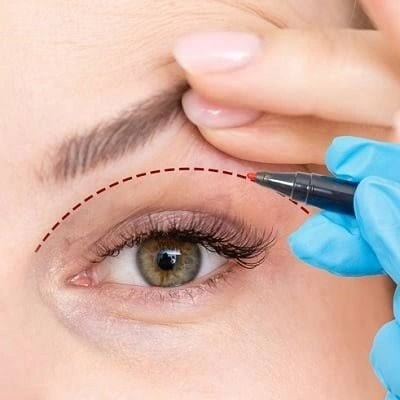
Eyelid surgery focuses on improving the appearance and, in certain cases, the function of the eyelids. The procedure may involve removing excess skin, adjusting underlying fat, or tightening selected tissues to create a smoother and more balanced appearance.
The changes visible in before-and-after photographs usually depend on the type of eyelid concern being treated.
Upper eyelid improvements
Before upper eyelid surgery, individuals may have loose skin hanging over the natural eyelid crease. This can create a heavy appearance and sometimes make the eyes look smaller.
After surgery, the upper eyelids may appear smoother, with a more defined natural crease and less excess skin. When drooping skin interferes with peripheral vision, removing the excess tissue may also improve the visual field.
Common improvements include:
-
Reduced excess skin above the eyes.
-
A more visible natural eyelid crease.
-
A less heavy appearance around the eyes.
-
Improved eyelid symmetry in suitable cases.
-
A fresher and more rested facial expression.
Lower eyelid improvements
Lower eyelid surgery primarily addresses under-eye bags, prominent fat deposits, and loose skin beneath the eyes.
Before surgery, these concerns may create noticeable puffiness or shadows that make someone appear tired. Following treatment and recovery, the under-eye area may look smoother and more evenly contoured.
Potential improvements include:
-
Reduced appearance of under-eye bags.
-
Smoother lower eyelid contours.
-
Less prominent fat bulging.
-
Improvement in selected cases of loose lower eyelid skin.
-
A more refreshed appearance around the eyes.
It is important to understand that eyelid surgery does not completely eliminate every wrinkle, dark circle, or hollow area. Each concern has a different underlying cause and may require a different treatment approach.
2. What Do Realistic Eyelid Surgery Before-and-After Results Look Like?
One of the most common questions people ask before undergoing blepharoplasty is how much their appearance will change.
Realistic results generally involve a noticeable improvement in the treated area without making the eyes look unnatural or changing the person's entire facial identity.
A successful outcome usually focuses on maintaining the natural shape of the eyes while reducing the specific concerns that led someone to consider surgery.
A refreshed rather than completely different appearance
The purpose of eyelid surgery is not to create an entirely new facial appearance. Instead, the procedure aims to reduce signs of ageing or excess tissue that may make the eyes look tired.
For example, someone with heavy upper eyelids may notice a more open appearance after healing. Another individual with prominent under-eye bags may experience a smoother transition between the lower eyelids and cheeks.
These improvements can make the face appear more rested while preserving its natural characteristics.
Improvement in eyelid definition
Excess upper eyelid skin can sometimes hide the natural eyelid crease. Removing carefully selected skin may make the crease more visible.
Similarly, lower eyelid surgery can improve the contour beneath the eyes by repositioning or removing selected fat deposits.
Better facial balance
The eyelids contribute to overall facial harmony. When excess skin or prominent bags are reduced, the eye area may appear more balanced in relation to the surrounding facial features.
However, the degree of improvement varies according to individual anatomy and the original condition of the eyelids.
Before-and-after photographs should therefore be viewed as examples of possible outcomes rather than promises of specific results.
3. How Long Does It Take to See Final Results After Eyelid Surgery?
Eyelid surgery results do not appear immediately. Although some improvements may become noticeable during the early recovery period, swelling and bruising can temporarily affect the appearance of the treated area.
Understanding the recovery timeline helps individuals develop realistic expectations.
First few days after surgery
Swelling, bruising, mild discomfort, and tightness around the eyes are common during the initial days.
The eyelids may look puffy, and the treated area may appear uneven because of temporary swelling. This is a normal part of the healing process.
Patients are generally advised to rest, keep their heads elevated, and use cold compresses according to their surgeon's instructions.
First one to two weeks
During this stage, swelling and bruising usually begin to improve.
Many individuals can gradually return to light daily activities, depending on their healing progress and the nature of their work.
Any stitches that require removal are generally addressed according to the surgeon's recommended schedule.
Although the eyes may already look more refreshed, the tissues are still healing.
Three to six weeks
As recovery continues, much of the visible swelling may settle, allowing the improvements to become clearer.
The upper eyelid crease may appear more defined, while the lower eyelid contour may become smoother.
Some individuals may still experience minor swelling or changes in tissue firmness.
Several months after surgery
Final results become more apparent as the tissues continue to settle and scars mature.
The exact timeline varies depending on whether upper eyelid surgery, lower eyelid surgery, or both procedures were performed.
Patients should avoid judging their final outcome too early because healing takes time and progresses differently from one individual to another.
4. Factors That Affect Before-and-After Eyelid Surgery Results
Not everyone experiences the same improvements after blepharoplasty. Several factors influence the final appearance, making individual assessment an important part of surgical planning.
Age and skin elasticity
Skin elasticity naturally decreases with age. Individuals with significant skin laxity may require a different surgical approach from those with mild excess skin.
Younger patients may also consider eyelid surgery because of hereditary under-eye bags or naturally prominent fat deposits.
Age alone does not determine suitability.
Individual facial anatomy
The natural shape of the eyes, eyebrow position, fat distribution, and eyelid structure all influence surgical results.
For example, some individuals have naturally deep-set eyes, while others have prominent under-eye fat pads. These anatomical differences affect how the procedure should be planned.
Type of eyelid surgery
Upper and lower blepharoplasty address different concerns.
Upper eyelid surgery primarily removes or adjusts excess skin and tissue above the eyes. Lower eyelid surgery focuses on fat protrusion, puffiness, and selected cases of loose skin beneath the eyes.
The surgical technique must match the underlying concern to achieve a balanced result.
Overall health and healing ability
General health can influence recovery and the quality of healing.
Smoking, certain medications, uncontrolled medical conditions, and some eye-related problems may increase surgical risks or affect recovery.
A complete medical history helps identify potential concerns before treatment.
Surgeon's experience and surgical planning
Eyelid surgery requires precision because the eyelids have an important role in protecting the eyes and maintaining comfortable blinking.
Careful planning helps preserve eyelid function while addressing excess skin or fat.
Removing too much tissue can create an unnatural appearance or interfere with normal eyelid closure. For this reason, conservative and anatomy-based treatment planning is essential.
5. What Eyelid Surgery Cannot Achieve: Understanding the Limitations
Although blepharoplasty can produce meaningful improvements, it is not a complete solution for every concern around the eyes.
Understanding its limitations is just as important as knowing its benefits.
It does not remove every wrinkle
Eyelid surgery mainly addresses excess skin, fat, and selected tissue-related concerns. Fine lines caused by repeated facial movements may remain after the procedure.
Other treatments may be considered for certain wrinkles, depending on skin condition and suitability.
It does not completely eliminate dark circles
Dark circles can develop because of pigmentation, genetics, visible blood vessels, or shadows created by under-eye hollows.
Although smoothing prominent under-eye bags may reduce some shadows, surgery does not directly correct every cause of dark circles.
It does not stop ageing
The skin continues to age after surgery. New wrinkles, changes in elasticity, and tissue laxity may gradually develop over the years.
However, the improvements achieved through surgery can remain visible for a long time.
It does not always correct drooping eyebrows
A low eyebrow position can contribute to a heavy appearance around the upper eyelids. In some individuals, excess skin is not the only cause of this concern.
An assessment may reveal that eyebrow position or eyelid muscle function also needs consideration.
It does not guarantee perfect symmetry
Human faces naturally have some degree of asymmetry. Although surgery may improve balance, achieving perfectly identical eyelids is not always possible.
The primary objective should be a natural and harmonious result rather than unrealistic perfection.
For individuals exploring Eyelid Surgery in Muscat, understanding these limitations can help establish appropriate treatment expectations before making a decision.
6. How to Prepare for Natural-Looking Eyelid Surgery Results
Preparation plays an important role in the overall surgical experience. A well-planned procedure begins with an appropriate consultation, a detailed examination, and a clear understanding of the patient's expectations.
Individuals considering eyelid surgery can take several steps to prepare.
Schedule a detailed consultation
A professional assessment helps identify whether the concern involves excess skin, fat protrusion, muscle weakness, eyebrow position, or another issue.
The surgeon may examine eyelid movement, skin elasticity, eye closure, and existing eye conditions.
In some cases, an eye examination or visual field assessment may be recommended.
Discuss realistic treatment goals
Patients should explain what they hope to improve and discuss which changes are achievable.
Reviewing suitable before-and-after photographs can help explain the type of results that may be possible for similar eyelid concerns.
However, photographs should never be treated as a guarantee of an identical outcome.
Share medical history
Existing medical conditions, previous eye procedures, allergies, medications, and dry eye symptoms should be discussed before surgery.
Certain medications and supplements may affect bleeding or healing. Any changes should only be made under appropriate medical guidance.
Follow pre-operative instructions
The surgical team may provide instructions regarding smoking, medication use, food and drink restrictions, and general preparation.
Following these recommendations helps reduce avoidable risks.
Follow post-operative care instructions
After surgery, proper care supports healing and helps reduce complications.
Patients should attend follow-up appointments, avoid rubbing the eyes, protect the treated area, and temporarily avoid strenuous physical activities as advised.
Any sudden vision changes, severe pain, significant bleeding, or rapidly increasing swelling require urgent medical attention.
Ultimately, the best before-and-after results are those that improve the treated area while preserving natural facial features and healthy eyelid function.
Frequently Asked Questions (FAQs)
1. How noticeable are the results of eyelid surgery before and after?
The results can be noticeable, particularly when excess skin, prominent under-eye bags, or significant puffiness are present. Upper eyelid surgery may create a more defined eyelid crease, while lower eyelid surgery can produce a smoother under-eye contour. The degree of improvement depends on individual anatomy and the surgical technique.
2. How long does it take to see the final results of eyelid surgery?
Initial improvements may become visible within the first few weeks as swelling and bruising decrease. However, complete healing and final results can take several months. Scar maturation and tissue settling also continue during the recovery period.
3. Will eyelid surgery make the eyes look different?
Eyelid surgery is generally intended to refresh the appearance of the eyes rather than completely change their natural shape. A carefully planned procedure aims to preserve individual facial characteristics while addressing excess skin, fat, or other specific concerns.
4. Are eyelid surgery results permanent?
The results are generally long-lasting, but they do not stop natural ageing. The skin may gradually lose elasticity, and new wrinkles or sagging can develop over time. Nevertheless, the improvements achieved through surgery can remain noticeable for many years.
5. Can eyelid surgery remove dark circles and wrinkles?
Eyelid surgery may improve shadows caused by prominent under-eye bags or excess tissue. However, it does not directly address every cause of dark circles, pigmentation, or fine wrinkles. These concerns may require separate treatment depending on their underlying cause.
6. What makes a good before-and-after eyelid surgery result?
A good result generally involves smoother eyelid contours, reduced excess skin or puffiness, natural-looking symmetry, and comfortable eyelid function. The eyes should appear refreshed without looking excessively tight or altered. Realistic expectations and appropriate surgical planning are essential for achieving a satisfactory outcome.
Read More About Eyelid Surgery in Muscat: https://frendvibe.com/blogs/43359/What-Is-the-Best-Age-to-Consider-Eyelid-Surgery

Photos


Share this page with your family and friends.