
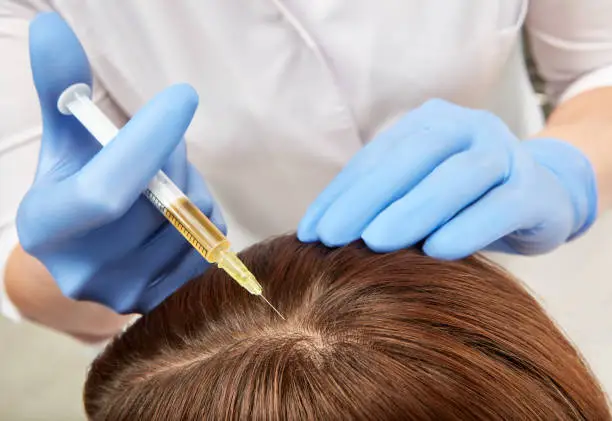
PRP hair treatment has become one of the most discussed non-surgical options for hair restoration. It is often presented as a versatile solution, but patients frequently ask whether it works for every kind of hair loss. The honest answer is no. PRP is effective for some types of hair loss and less effective or inappropriate for others. PRPHairTreatment in Riyadh Understanding which conditions respond helps you set realistic expectations and choose the right treatment.
What Is PRP Hair Treatment?
PRP, or platelet-rich plasma, is derived from your own blood. A sample is drawn, processed in a centrifuge to concentrate platelets and growth factors, and injected into the scalp. These growth factors stimulate hair follicles, improve blood supply, and encourage thicker hair growth. For anyone considering PRPHairTreatment in Riyadh, understanding that PRP works by stimulating existing follicles is the key to knowing which types of hair loss may respond.
How PRP Works on Hair Follicles
PRP delivers concentrated growth factors directly to hair follicles. These factors stimulate follicle cells, extend the growth phase of the hair cycle, and improve blood flow to the scalp. This process can thicken existing hair and may encourage dormant follicles to produce new growth. However, PRP cannot create new follicles where none exist, nor can it revive follicles that have been permanently destroyed. Patients researching prp hair treatment cost in saudi arabia should understand this mechanism before committing to treatment.
Hair Loss Types That May Respond to PRP
Certain types of hair loss respond well to PRP. Androgenetic alopecia, the most common form, responds best in early to moderate stages when follicles are still active. Telogen effluvium, which involves excessive shedding after stress or illness, may respond once the trigger resolves. Postpartum shedding may benefit after hormones stabilize. Early hairline recession may improve when treatment begins early. Post-transplant healing can be supported by PRP.
Hair Loss Types That May Not Respond
Other types of hair loss respond poorly or not at all. Scarring alopecias, including lichen planopilaris and frontal fibrosing alopecia, destroy follicles permanently, and PRP cannot revive them. Alopecia areata has variable and unpredictable results. Traction alopecia may respond if caught early, but permanent damage cannot be reversed. Complete baldness in any pattern will not respond because follicles are no longer active.
The Importance of Accurate Diagnosis
Accurate diagnosis is essential because different types of hair loss require different treatments. A provider experienced in hair loss will examine the scalp, review your history, and may perform trichoscopy or a biopsy if needed. This ensures the right treatment is chosen and prevents unnecessary procedures. Patients considering PRPHairTreatment in Riyadh should insist on thorough assessment before treatment.
Combining PRP With Other Treatments
For many types of hair loss, combining PRP with other treatments improves outcomes. Androgenetic alopecia may benefit from finasteride or minoxidil. Telogen effluvium may resolve with nutritional support. Alopecia areata may require corticosteroids or immunotherapy. A comprehensive plan addressing the specific cause produces the best results.
When PRP May Not Be Appropriate
PRP may not be appropriate for patients with active scalp infections, certain blood disorders, or compromised immune function. Pregnancy and breastfeeding are contraindications. Those with unrealistic expectations or seeking treatment for conditions PRP cannot address may be better served by other options. Honest consultation ensures the right approach is chosen.
Setting Realistic Expectations
Realistic expectations are essential. PRP produces gradual improvement in suitable candidates; it is not a cure for all hair loss. Results vary by individual, and multiple sessions are needed. Patients who understand these realities are more likely to be satisfied. Honest consultation ensures expectations align with achievable outcomes.
Book an Appointment Consultation Clinic
For those seeking expert guidance and customized aesthetic care, you can book an appointment consultation at the Enfield Royal Riyadh. Their team provides thorough assessments and personalized PRP treatment plans for appropriate types of hair loss.
FAQs
Does PRP work for all types of hair loss?
No, it works best for androgenetic alopecia and telogen effluvium with active follicles.
Can PRP help scarring alopecia?
No, it cannot revive permanently destroyed follicles.
Does PRP work for alopecia areata?
Results are variable and unpredictable; it may help in some cases.
How is the right type of hair loss diagnosed?
Through scalp examination, medical history, and sometimes trichoscopy or biopsy.
Is prp hair treatment cost in saudi arabia worth it for suitable types?
Yes, for responsive types like androgenetic alopecia, gradual improvement justifies the investment.
Conclusion
PRP hair treatment does not work for every kind of hair loss. It is most effective for androgenetic alopecia and telogen effluvium with active follicles, while scarring alopecias and complete baldness do not respond. Accurate diagnosis is essential for choosing the right treatment. If you are considering PRPHairTreatment in Riyadh, choose a qualified provider who assesses your type of hair loss and designs a personalized plan. With proper evaluation, treatment is safe and effective.


Share this page with your family and friends.