
Related Blogs


Discovering the Beauty of an Oil Painter and Original Watercolor Art
12 minutes, 57 seconds
-12 Views 0 Comments 1 Like 0 Reviews
Art has a special way of bringing beauty, emotion, and personality into everyday life. A painting can capture a peaceful landscape, preserve a meaningful memory, or add warmth and character to a room. Whether you enjoy colorful landscapes, detailed portraits, or abstract designs, original artwork offers something unique that mass-produced decorations often cannot provide. Exploring the work of an oil painter and discovering original watercolor art are wonderful ways to appreciate creativity and find pieces that reflect your personal taste.
The Timeless Beauty of an Oil Painter
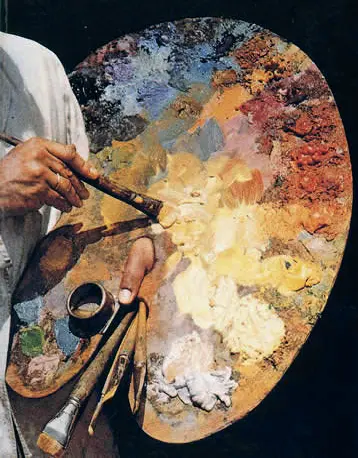
An oil painter uses oil-based paints to create artwork with rich colors, detailed textures, and remarkable depth. Oil painting has been practiced for centuries and remains one of the most admired forms of visual art. Artists appreciate this medium because it allows them to blend colors gradually, create fine details, and develop layers that give a painting a distinctive appearance.
One of the most appealing features of oil painting is its versatility. An experienced oil painter can create realistic portraits, beautiful landscapes, still-life compositions, and imaginative abstract pieces. The slow drying time of oil paints also gives artists more opportunities to adjust colors, refine details, and develop the final image.
Oil paintings often feature deep shades, soft transitions, and strong contrasts between light and shadow. These qualities can make a simple subject look dramatic and full of life. For example, a painting of a sunset may show glowing orange clouds, dark silhouettes of trees, and reflections across a quiet lake. Through careful brushwork and color selection, an artist can turn an ordinary scene into something memorable.
Why Original Paintings Are Special
Original paintings have a unique appeal because they represent an artist's individual vision and creative effort. Unlike mass-produced prints, an original painting is created as an individual work of art. Small variations in brushstrokes, texture, and color give each piece its own character.
When you purchase an original painting, you bring a part of the artist's creative expression into your home. The artwork may reflect a particular place, a personal experience, or an emotion that inspired the artist during the creative process.
Original artwork can also become a meaningful gift. A landscape painting may remind someone of a favorite vacation destination, while a floral composition might be perfect for someone who enjoys gardening. Choosing art based on a person's interests makes the gift feel thoughtful and personal.
For collectors, original paintings can become treasured possessions over time. Although not every artwork increases in monetary value, its personal, decorative, or emotional value can remain significant for many years.
Exploring the Charm of Original Watercolor Art
Original watercolor art is loved for its lightness, transparency, and delicate beauty. Watercolor artists use pigments mixed with water to create paintings that often feature soft colors, flowing shapes, and natural variations. The result can be gentle and peaceful or bright and expressive, depending on the artist's style.
Unlike oil paint, watercolor dries relatively quickly and usually allows the white surface of the paper to contribute to the brightness of the finished painting. Artists carefully control the amount of water and pigment to achieve different effects. A light wash can create a soft sky, while a more concentrated layer can add detail to flowers, buildings, or other subjects.
One of the most fascinating aspects of original watercolor art is its ability to capture atmosphere. A watercolor landscape may suggest a misty morning, a quiet coastal village, or sunlight filtering through trees. The transparent layers create a natural softness that makes the artwork feel fresh and inviting.
Watercolor is also a popular medium for botanical illustrations, floral paintings, wildlife scenes, travel sketches, and contemporary abstract designs. Its flexibility allows artists to experiment with many subjects while maintaining the distinctive qualities of the medium.
Because watercolors depend heavily on the artist's control of water, pigment, and timing, every original work has its own character. Even when an artist paints the same subject more than once, the results may differ in subtle but beautiful ways.
Oil Painting and Watercolor: Understanding the Difference
Both oil painting and watercolor offer excellent ways to express artistic ideas, but they create different visual experiences.
Oil paintings are often associated with rich colors, layered textures, and a sense of depth. They can be particularly effective for dramatic landscapes, detailed portraits, and compositions that benefit from strong contrasts. Their surface may appear smooth or textured depending on the artist's technique.
Watercolor paintings usually have a lighter, more transparent appearance. They often feature flowing colors, delicate details, and visible paper textures. This makes them well suited to floral artwork, peaceful landscapes, nature studies, and subjects that benefit from an airy, natural feeling.
Neither medium is better than the other. The right choice depends on your preferences, the atmosphere you want to create, and the subjects that interest you most. Some art lovers prefer the bold presence of an oil painting, while others appreciate the gentle simplicity of watercolor.
If you are decorating a home, consider how each medium will complement the room. A large oil landscape might become the main feature above a living room sofa, while a small watercolor painting could add a subtle artistic touch to a bedroom, hallway, or reading corner.
How to Choose Original Artwork for Your Home
Choosing artwork can feel overwhelming when there are so many styles, colors, and subjects to explore. A useful starting point is to consider what you enjoy looking at every day.
Think about your personal interests. If you love nature, consider landscapes, flowers, birds, or wildlife paintings. If you prefer modern interiors, abstract compositions or minimalist watercolor pieces may suit your style.
Consider your existing colors. Artwork can complement the colors already present in your room or introduce a contrasting shade that makes the space more interesting. Neutral interiors often work well with colorful paintings, while rooms with bold decorations may benefit from softer artwork.
Choose the right size. A large painting can create a focal point, but smaller pieces are useful for shelves, desks, and narrow walls. Measure the available space before purchasing a painting to ensure that it fits comfortably.
Look closely at the details. Examine the brushwork, color choices, composition, and overall presentation. With original watercolor art, also consider how the paper and pigments are protected. With oil paintings, look at the surface texture and the quality of the frame, if one is included.
Buy from trustworthy sources. Artists' websites, established galleries, art fairs, and reputable online art shops can help you discover original pieces. Read the artwork description carefully, check the dimensions, and confirm whether the item is an original painting or a reproduction.
Caring for Oil Paintings and Watercolor Artwork
Proper care helps preserve the appearance of original artwork. Although oil paintings and watercolors have different materials, both benefit from careful handling and a suitable display environment.
Keep paintings away from direct sunlight because prolonged exposure can cause fading or damage. Avoid placing artwork in areas with excessive humidity, sudden temperature changes, or frequent moisture. Kitchens and bathrooms may require additional consideration because their environmental conditions can be less stable.
Watercolor paintings are particularly sensitive to light and moisture. Professional framing with appropriate glazing and archival materials can help protect the paper and pigments. Avoid touching the painted surface directly, and use suitable framing methods to prevent the paper from pressing against the glass.
Oil paintings should also be protected from dust, impacts, and inappropriate cleaning products. Do not use household cleaners or attempt to remove surface dirt without understanding the painting's materials. For valuable or delicate pieces, consult a professional art conservator.
Taking these precautions can help maintain your artwork's beauty and allow you to enjoy it for many years.
Supporting Artists Through Original Art
Purchasing original artwork is also a meaningful way to support creative individuals. Artists invest time, skill, materials, and imagination into their work. Buying directly from an artist or through a reputable gallery can help support their practice and encourage the creation of new paintings.
Many independent artists offer original oil paintings and watercolor pieces through online portfolios, exhibitions, and local art markets. Exploring these sources gives buyers an opportunity to discover distinctive styles and learn about the inspiration behind each piece.
You may find an artist whose work reflects your favorite landscapes, captures the beauty of everyday objects, or expresses emotions that are difficult to describe in words. Over time, collecting artwork can become a rewarding hobby that connects you with creativity and personal expression.
Conclusion
An oil painter and original watercolor art offer two beautiful ways to experience the world through creativity. Oil paintings bring depth, texture, and rich color, while watercolor artwork captures light, transparency, and delicate detail. Both mediums allow artists to transform ordinary subjects into meaningful visual experiences.
Whether you are purchasing your first painting, decorating a new home, choosing a thoughtful gift, or expanding an existing collection, take time to explore different artists and styles. Look for artwork that connects with your interests and creates a feeling you want to experience whenever you see it.
Original art is more than decoration. It can tell a story, inspire reflection, and make a space feel more personal. By discovering paintings that speak to you, you can bring lasting beauty and a distinctive artistic touch into your everyday life.

Photos


Share this page with your family and friends.