
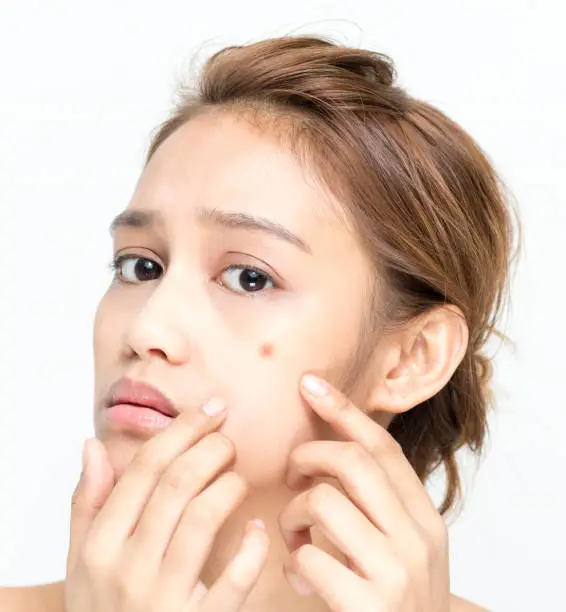
Laser acne scar treatments are generally well tolerated, but they do affect the skin—and knowing what side effects are normal versus what warrants professional attention helps you recover with confidence rather than anxiety. Laser Acne Scar Treatments in Riyadh Most side effects are temporary and manageable with proper aftercare. Others are less common but deserve prompt attention. This guide explains the common side effects of laser acne scar treatments, how to manage them, and when to seek advice from your provider.
Why Side Effects Occur
Laser treatments work by creating controlled injuries to the skin—resurfacing the surface and stimulating collagen remodeling beneath. This controlled injury triggers inflammation as part of the healing process, producing side effects like redness, swelling, and sensitivity. These responses are expected and indicate that the treatment is working. Understanding the mechanism helps you distinguish normal healing from complications and respond appropriately.
Redness and Sensitivity
Redness is the most common side effect—expected after any laser treatment. It may last from a few days to a couple of weeks, depending on treatment intensity and skin type. Sensitivity to touch, heat, and products is also common. Management includes gentle cleansing, barrier-supporting moisturizers, avoiding harsh actives, and sun protection. Redness gradually fades as healing progresses. If redness persists beyond expected timelines or worsens, contact your provider.
Swelling
Swelling—particularly around the eyes and face—is common after facial laser treatments. It typically peaks within 24–48 hours and subsides over several days. Cooling with a wrapped cold pack, elevating your head while sleeping, and avoiding strenuous activity help reduce swelling. Swelling that worsens after 48–72 hours or is accompanied by increasing pain warrants professional attention.
Peeling and Flaking
As treated skin heals, peeling and flaking are normal—the outer layer sheds as new skin forms beneath. This typically occurs within the first week. Moisturizing gently supports the process; picking or peeling skin prematurely can cause irritation and delay healing. Let skin slough off naturally. Peeling that persists beyond two weeks or is accompanied by significant discomfort should be evaluated.
Dryness and Tightness
Treated skin often feels dry and tight during healing. Barrier-supporting moisturizers help restore comfort. Avoid harsh cleansers and exfoliants that can worsen dryness. As healing progresses, skin normalizes. Persistent dryness unresponsive to moisturizing may warrant professional advice.
Pigmentation Changes
Temporary pigmentation changes—darkening or lightening—can occur, particularly on darker skin tones. These changes usually resolve over weeks to months but may persist. Sun protection is essential to prevent worsening. If pigmentation changes appear or worsen, contact your provider—early assessment allows for appropriate management. This is one reason conservative settings and experienced providers matter on darker skin.
Acne Flare-Ups
Some patients experience temporary acne flare-ups after laser treatments—purging as skin renews. This is usually mild and resolves. Gentle skincare and avoiding heavy products help. Persistent or severe flare-ups should be discussed with your provider, as they may require adjustment to your routine or treatment plan.
Blistering and Crusting
Depending on laser intensity, mild blistering or crusting can occur—particularly with ablative treatments. These are normal healing responses but require careful management: keep the area clean, avoid picking, and follow aftercare instructions. Blisters that enlarge, worsen, or show signs of infection—increasing pain, spreading redness, pus—warrant prompt contact with your provider.
Signs of Infection
Infection is uncommon but possible. Warning signs include increasing pain rather than decreasing, spreading redness or warmth, pus or unusual discharge, fever, and swelling that worsens. These require prompt medical attention. Contact your provider same-day if you notice these signs. Early treatment is simpler than delayed treatment.
When to Seek Advice
Contact your provider for: redness or swelling that worsens after 48–72 hours, persistent or worsening pain, blistering that doesn't heal, signs of infection, pigmentation changes that concern you, or any symptom that doesn't fit the expected healing pattern. When in doubt, ask—early contact prevents small issues from becoming serious ones. Providers would rather answer a question than manage a complication that was ignored.
Managing Side Effects With Aftercare
Most side effects are managed with proper aftercare: gentle cleansing, moisturizing, sun protection, avoiding harsh products, and following your provider's instructions. Don't apply unapproved products or home remedies—they can worsen irritation. Attend follow-up appointments so your provider can assess healing. Good aftercare doesn't just manage side effects—it optimizes results.
When to Seek Professional Guidance
If you're unsure whether a side effect is normal, or if you've noticed concerning symptoms, professional guidance can help. A consultation can assess your healing and recommend appropriate care. For personalized guidance on laser acne scar treatments and aftercare, a consultation with qualified professionals offers clarity and direction.
Final Thoughts: Normal vs. Concerning
Most side effects of laser acne scar treatments—redness, swelling, peeling, dryness—are normal, temporary, and manageable with aftercare. Some—infection, persistent pigmentation changes, worsening symptoms—require professional attention. Knowing the difference protects your skin and your peace of mind. Follow aftercare, monitor honestly, and contact your provider when something seems off. Early action supports better healing.
Book an Appointment Consultation Clinic
For those seeking expert guidance and customized aesthetic care, you can book an appointment consultation at the Enfield Royal Riyadh.
FAQs
What are the most common side effects of laser acne scar treatments?
Redness, swelling, peeling, dryness, and sensitivity—all normal and temporary with proper aftercare.
How long does redness last after treatment?
Typically a few days to a couple of weeks, depending on treatment intensity and skin type.
When should I contact my provider about side effects?
If redness or swelling worsens after 48–72 hours, pain increases, blisters don't heal, or infection signs appear.
Can laser treatments cause pigmentation changes?
Temporary darkening or lightening can occur, especially on darker skin—sun protection and professional assessment help.
Is it normal to break out after laser treatment?
Mild temporary flare-ups can occur as skin renews; persistent or severe breakouts should be discussed with your provider.


Share this page with your family and friends.