
Related Blogs


Choose the Right Blast Pipe Manufacturer in India
8 minutes, 1 second
-9 Views 0 Comments 1 Like 0 Reviews
A chemical processing facility experiences an explosion in a nearby production unit. Within moments, its protected ventilation system isolates the building, blast valves activate, and clean air continues flowing to critical control rooms. One component quietly performing a vital role is the Blast Pipe, which protects ventilation penetrations from extreme blast pressure. Choosing the right manufacturer for this critical component is not simply a procurement decision—it directly affects the safety, reliability, and long-term performance of the entire blast protection system.
What is a Blast Pipe?
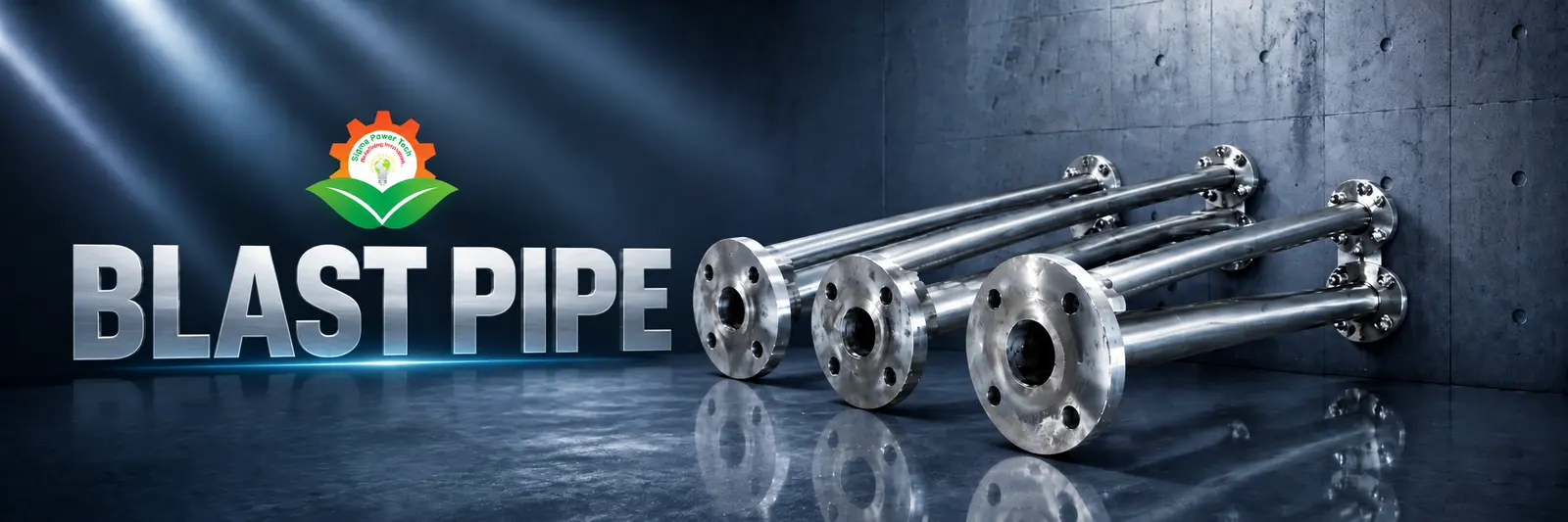
A blast pipe is a specially engineered ventilation component designed for blast-resistant buildings. Unlike standard HVAC ductwork, a Blast Resistant Pipe is manufactured to withstand high-pressure shock waves while maintaining the integrity of wall penetrations.
During an explosion, ventilation openings are among the most vulnerable parts of any protected structure. A properly designed blast pipe strengthens these openings, allowing ventilation systems to continue operating without compromising structural safety.
Solutions such as the Sigma Power Tech Blast Pipe are engineered for demanding defence, industrial, and critical infrastructure projects where dependable performance is essential.
How Blast Pipes Protect Structures
When an explosion generates a powerful pressure wave, the force travels rapidly towards surrounding buildings. If ventilation penetrations are not adequately reinforced, they can become failure points.
A blast pipe is designed to:
- Protect duct penetrations through reinforced concrete walls
- Distribute blast loads across structural elements
- Reduce stress on surrounding construction
- Maintain wall integrity during blast events
- Support protected airflow after an explosion
Rather than acting as ordinary ventilation ducting, the pipe becomes an integral part of the facility's blast protection strategy.
Features to Look for in a High-Quality Blast Pipe
The quality of a blast pipe depends on more than its appearance or wall thickness. Reliable systems are engineered to deliver consistent performance under extreme conditions.
Key features include:
- Reinforced steel construction
- High mechanical strength
- Excellent pressure resistance
- Corrosion-resistant protective coatings
- Precision fabrication and welding
- Long service life with minimal maintenance
These characteristics ensure the system continues to perform even after years of operation in demanding industrial environments.
Integration with Complete Ventilation Protection
A blast pipe should never be viewed as a standalone product. Maximum protection comes from integrating it with other specialised ventilation components.
A complete protected ventilation system typically includes:
- Blast valves to block incoming shock waves
- Gas-tight valves for sealed environments
- CBRN or NBC filtration systems to remove hazardous airborne contaminants
- Protected ventilation ducts and air handling equipment
When these systems work together, facilities can maintain structural protection while supplying safe, breathable air during emergencies.
Where Blast Pipes Are Used
Blast-resistant ventilation systems are installed wherever critical operations must continue despite explosion risks.
Common applications include:
- Defence and military facilities
- Underground bunkers and command shelters
- Nuclear power plants
- Power generation stations
- Chemical manufacturing facilities
- Oil and gas refineries
- Government security installations
- Industrial plants handling hazardous materials
Each application requires engineered solutions that match the facility's specific risk profile and operational requirements.
What Affects Blast Pipe Pricing?
Many buyers compare products solely on price, but several engineering factors influence the overall cost of a blast-resistant system.
These include:
- Steel grade and material quality
- Pipe diameter and dimensions
- Wall thickness
- Pressure rating
- Protective coatings
- Manufacturing precision
- Independent testing and certification
- Project-specific customisation
A lower-priced product may appear attractive initially, but inadequate engineering or lower-quality materials can significantly increase maintenance costs and safety risks over time.
How to Choose Reliable Blast Pipe Manufacturers in India
Selecting experienced Blast Pipe Manufacturers in India requires careful evaluation beyond brochures and product catalogues.
Consider manufacturers that provide:
- Proven expertise in blast protection engineering
- Custom-designed solutions for project requirements
- High-quality reinforced steel fabrication
- Engineering support during system design
- Compatibility with blast valves and filtration systems
- Product testing and recognised certifications
- Installation guidance and after-sales support
Manufacturers with experience in defence, industrial, and critical infrastructure projects are generally better equipped to deliver reliable, application-specific solutions.
Common Mistakes to Avoid
Many organisations unintentionally reduce the effectiveness of their protected ventilation systems by making avoidable purchasing decisions.
Common mistakes include:
- Choosing standard industrial pipes instead of engineered Blast Resistant Pipe solutions
- Selecting products based only on the lowest price
- Ignoring compatibility with blast valves and filtration equipment
- Overlooking wall penetration design
- Purchasing from suppliers without specialist blast protection expertise
- Failing to verify testing or engineering documentation
- Neglecting future maintenance and inspection requirements
Avoiding these mistakes helps improve both operational reliability and long-term facility protection.
The Importance of Blast Pipe Exhaust Systems
An effective blast pipe exhaust system is just as important as protected air intake. Exhaust ventilation must safely release air while maintaining the blast-resistant integrity of the structure.
When integrated with blast valves and filtration systems, protected exhaust solutions help maintain balanced airflow without creating vulnerable openings in reinforced walls.
Build a Safer Ventilation Strategy
As facilities expand or modernise, it is worth taking time to review your facility's ventilation safety setup to ensure every component meets current protection requirements.
You may also want to consider upgrading your blast protection systems if existing infrastructure relies on outdated ventilation designs.
To stay informed about evolving engineering practices, explore more safety insights and strengthen your long-term protection strategy.
Conclusion
Choosing the right blast pipe manufacturer is about far more than purchasing a steel component. It involves selecting an engineering partner capable of delivering reliable products that protect ventilation penetrations, distribute explosion loads, and maintain structural integrity during blast events.
By evaluating product quality, technical expertise, system integration, certifications, and long-term support, organisations can confidently select trusted Blast Pipe Manufacturers in India for their projects. Sigma Power Tech combines engineering expertise with robust blast protection solutions, delivering high-performance blast pipe systems that integrate seamlessly with protected ventilation networks for defence, industrial, and critical infrastructure applications where safety and reliability remain the highest priorities.
Blast Pipe Blast Pipe Manufacturer in India Sigma Blast Pipe Sigma Power Tech Blast Pipe Pipe

Photos


Share this page with your family and friends.