
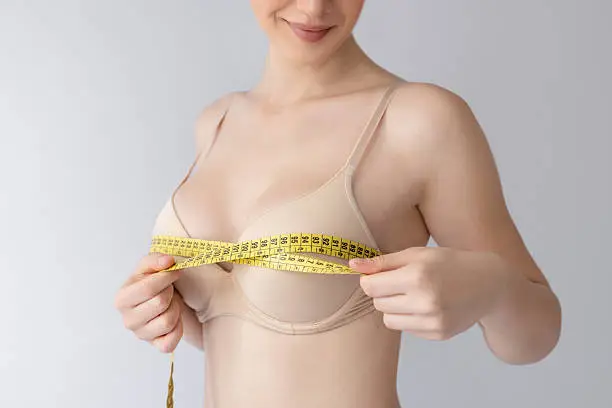
Breast augmentation attracts more misinformation than almost any other cosmetic procedure. Breast Augmentation Surgery in Riyadh Social media exaggerates risks, forums spread outdated warnings, and marketing blurs the line between evidence and enthusiasm. For patients trying to make a sound decision, separating fact from fiction is essential. If you are considering Breast Augmentation Surgery in Riyadh, this guide addresses the misconceptions that matter most.
Myth One: Breast Implants Are Dangerous
This is the most pervasive myth, rooted in decades-old concerns that have been extensively studied. Modern silicone and saline implants have been rigorously evaluated, and regulatory agencies continue to approve them for aesthetic and reconstructive use. No medical device is risk-free, but breast implants are among the most studied implants in medicine. A Breast Augmentation Surgery in Riyadh consultation should include honest discussion of both benefits and risks.
Myth Two: Implants Cause Breast Cancer
Implants do not cause breast cancer. Research has not found increased breast cancer rates among implant patients compared to the general population. There is an association between certain textured implants and BIA-ALCL, a rare lymphoma—not breast cancer—that is highly treatable when detected early. Patients researching breast reduction surgery in saudi arabia alternatives should understand this distinction rather than conflating separate conditions.
Myth Three: Implants Must Be Replaced Every Ten Years
This is a common misconception. Implants do not have an expiration date. Most last ten to twenty years or longer, and replacement is recommended only when complications occur or when patients choose to update their results. Routine replacement at fixed intervals is not required.
Myth Four: Implants Prevent Breastfeeding
Many women breastfeed successfully after augmentation. Milk supply may be affected depending on incision placement and whether milk ducts or nerves were disrupted. Periareolar incisions carry higher risk than inframammary incisions. If breastfeeding is important to you, discuss this during consultation.
Myth Five: Implants Look Fake
Modern implant selection and surgical technique produce natural-looking results for most patients. Appropriate size, profile, and placement create breasts that harmonize with the body rather than appearing obviously augmented. Very large implants may look less natural, but moderate sizing typically achieves subtle enhancement.
Myth Six: Implants Are Only for Vanity
Breast augmentation addresses genuine concerns that affect quality of life. Many patients experience significant body image distress related to breast size or asymmetry. Others seek reconstruction after cancer or trauma. Dismissing these motivations as vanity ignores the real psychological impact of appearance concerns.
Myth Seven: Implants Cause Autoimmune Disease
Large studies have not found increased rates of autoimmune disease among implant patients. Some patients report systemic symptoms they attribute to implants, but research has not established causation. Individual experiences deserve respectful attention while evidence continues to develop.
Myth Eight: You Cannot Exercise with Implants
Once fully healed, most patients resume all activities including strenuous exercise. Supportive sports bras reduce discomfort during high-impact activities. Implants do not rupture from exercise. Recovery restrictions are temporary.
Myth Nine: Implants Make Mammograms Impossible
Mammography is still possible with implants, though it requires additional views and specialized techniques. Technologists use displacement techniques to visualize breast tissue around the implant. Inform the imaging facility that you have implants when scheduling.
Myth Ten: Anyone Can Perform Breast Augmentation Safely
Training matters. Breast augmentation requires board certification, specific experience, and hospital privileges. Unqualified providers using unverified implants or facilities create unnecessary risk. Always verify credentials before booking.
How to Evaluate Information Online
Check sources—reputable medical organizations, peer-reviewed research, and board-certified surgeons provide more reliable information than forums or influencer posts. Be skeptical of dramatic claims in either direction. Discuss what you read with your surgeon rather than assuming online information applies to your situation.
For those seeking expert guidance and customized aesthetic care, you can book an appointment consultation at the Enfield Royal Clinic.
FAQs
Are breast implants safe?
Yes, when placed by qualified surgeons; they are among the most studied medical devices.
Is breast reduction surgery in saudi arabia myth profile different?
Misconceptions differ by procedure; consult your surgeon for accurate information.
Do implants cause cancer?
No, implants do not cause breast cancer; a rare lymphoma is associated with certain textured implants.
Can I breastfeed with implants?
Many women breastfeed successfully, though supply may be affected depending on incision placement.
Do implants need replacing every ten years?
No, replacement is recommended only when complications occur or patients choose to update results.


Share this page with your family and friends.