
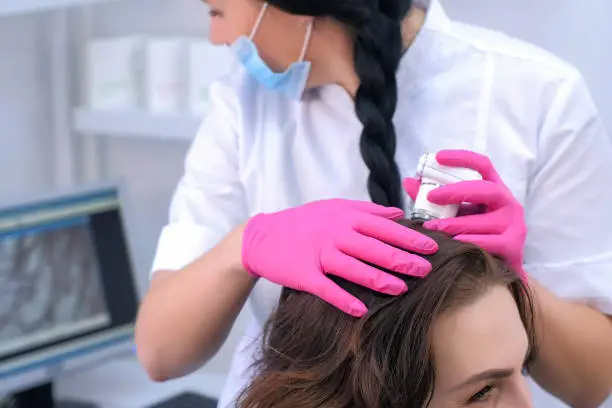
Protective styling is widely recommended for hair growth and retention—braids, twists, buns, and wigs can shield strands from manipulation and breakage. But when done incorrectly, Best Trichologists in Riyadh(أفضل أطباء الشعر في الرياض) protective styles can cause traction alopecia, scalp inflammation, and permanent follicle damage. The Best Trichologists in Riyadh see both sides of this equation: styles that help hair thrive and styles that quietly destroy it. Understanding how to protect your hair without harming your scalp ensures you get the benefits without the risks.
What Makes a Style Truly Protective
A protective style should reduce manipulation, retain moisture, and minimize tension on the follicles. The key word is gentle. The Best specialist for hair treatment emphasizes that any style causing pain, tension, or scalp irritation is not protective—regardless of how it looks. True protection supports the scalp and follicles, allowing hair to grow undisturbed.
The Risks of Improper Protective Styling
Traction Alopecia
Constant tension from tight braids, ponytails, or extensions pulls on follicles, causing inflammation and eventual permanent hair loss. Early signs include pain, bumps along the hairline, and thinning at the temples.
Scalp Inflammation
Styles that trap moisture, oil, or bacteria can trigger folliculitis and seborrheic dermatitis. Itching, redness, and flaking are warning signs.
Breakage at Attachment Points
Extensions and tight styles stress hair at the attachment points, causing breakage that undermines the purpose of protection.
Follicle Damage From Weight
Heavy extensions or long, weighted styles strain follicles—particularly along the hairline—leading to thinning over time.
How to Choose Scalp-Safe Protective Styles
Keep Tension Low
Styles should feel comfortable—never painful. If you feel pulling, the style is too tight. Ask your stylist to loosen braids, twists, or ponytails.
Avoid Heavy Extensions
Choose lightweight extensions and avoid excessive length or weight that strains the hairline.
Rotate Styles
Alternating styles—and giving hair breaks between them—reduces cumulative stress on follicles.
Prioritize Scalp Health
Ensure the scalp is clean and healthy before styling. Address any flaking, itching, or inflammation first—styling over an irritated scalp worsens the problem.
Choose Experienced Stylists
Stylists experienced with protective styles understand tension limits. The Best Trichologists in Riyadh often collaborate with stylists who prioritize scalp health.
Caring for Hair and Scalp While in Protective Styles
Cleanse Regularly
Even in protective styles, the scalp needs cleansing—typically every one to two weeks. Use diluted shampoo or scalp cleansers that don't disturb the style.
Moisturize
Keep hair and scalp moisturized—dryness leads to breakage and irritation. Lightweight oils or leave-in conditioners help.
Monitor for Warning Signs
Watch for pain, bumps, redness, or thinning along the hairline. If these appear, remove the style immediately and consult a trichologist.
Limit Duration
Most protective styles should be removed after four to eight weeks. Leaving them longer increases risks of buildup, tension, and follicle damage.
When to See a Trichologist
Persistent Hairline Thinning
If thinning at the temples or hairline persists after removing styles, evaluation is warranted—early intervention prevents permanent loss.
Scalp Pain or Bumps
Pain, bumps, or inflammation along the hairline may indicate traction alopecia—seek evaluation promptly.
Itching or Flaking
Persistent scalp symptoms suggest infection or inflammation requiring treatment.
Hair Loss Beyond Normal Shedding
Excessive shedding during or after protective styling warrants assessment.
Understanding the Cost of Hair Treatment in Riyadh
Understanding the Cost of Hair Treatment in Riyadh helps patients plan. Proper protective styling costs little—but prevents expensive treatment for traction alopecia. Prioritize scalp health over style longevity.
Conclusion
Protective styling can support hair growth—but only when done gently. Low tension, lightweight extensions, regular cleansing, and prompt removal prevent traction alopecia and scalp damage. For those consulting the Best Trichologists in Riyadh, protective styles should protect—not harm. The Cost of Hair Treatment in Riyadh matters for planning, but choosing the Best specialist for hair treatment and practicing scalp-safe styling determine your outcome.
Book Your Consultation Today
For those seeking expert guidance and customized aesthetic care, you can book an appointment consultation at the 'Enfield Royal Riyadh(إنفيلد رويال الرياض).
FAQs
What makes a protective style safe?
Low tension, lightweight extensions, regular cleansing, and limited duration prevent scalp damage.
Can protective styles cause permanent hair loss?
Yes, tight styles can cause traction alopecia—permanent if unaddressed.
Who is the Best specialist for hair treatment?
Choose a trichologist who understands protective styling and treats traction alopecia early.
How do I choose the Best Trichologists in Riyadh?
Verify credentials, diagnostic tools, and experience with traction alopecia and scalp health.
What is the Cost of Hair Treatment in Riyadh?
Pricing varies by diagnosis and treatment; scalp-safe styling and qualified care matter more than cost.


Share this page with your family and friends.