
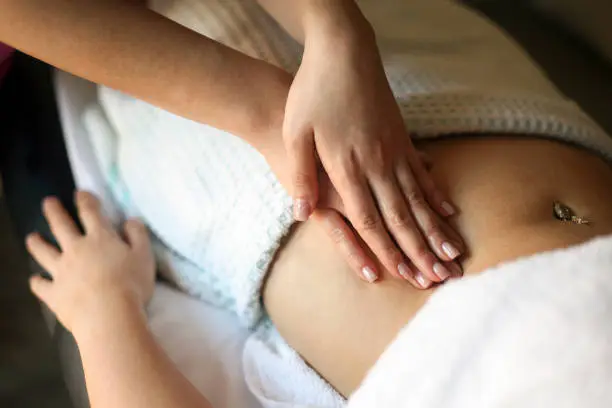
Aging changes nearly every system in the body, and the lymphatic system is no exception. Vessel walls become less elastic, circulation slows, mobility declines, and chronic conditions accumulate—all of which reduce drainage efficiency. Lymphatic Massage in Riyadh The result is a familiar pattern for many older adults: swollen ankles, puffy hands, heaviness in the legs, and a general sense of sluggishness that rest does not resolve. Lymphatic massage offers gentle, age-appropriate support. If you are considering Lymphatic Massage in Riyadh for an older adult, here is what makes this therapy particularly well suited to senior care.
Why Aging Affects Lymphatic Function
Several age-related changes impair lymphatic drainage. Lymphatic vessels lose tone and contractility, reducing their ability to propel fluid. Reduced physical activity limits the muscle pump that drives lymph movement. Circulation slows, and venous insufficiency becomes more common, both of which increase fluid accumulation. Medications for blood pressure, heart conditions, and pain can contribute to swelling. Chronic conditions such as arthritis, diabetes, and heart disease further compound the problem.
Why Gentle Pressure Suits Older Adults
Many bodywork modalities are inappropriate for seniors because of fragile skin, osteoporosis, blood vessel fragility, and medication-related bleeding risk. Lymphatic drainage uses pressure so light it barely indents the skin—far gentler than deep tissue or sports massage. This makes it one of the safest hands-on therapies for older adults. The technique requires no forceful manipulation, no joint stress, and no prolonged positioning that might aggravate arthritis or mobility limitations.
Common Concerns Lymphatic Massage Addresses
Ankle and Leg Swelling
Fluid accumulates in the lower extremities due to reduced circulation and mobility.
Hand and Finger Puffiness
Arthritis and reduced activity contribute to fluid retention in the hands.
Facial Puffiness
Morning swelling and under-eye bags often reflect sluggish drainage.
Post-Surgical Swelling
Older adults recovering from joint replacement or other procedures benefit significantly.
Joint Stiffness
Periarticular fluid congestion limits comfortable movement.
General Heaviness
Reduced drainage contributes to a pervasive sense of sluggishness.
What a Session Involves for Seniors
Treatment begins with a thorough health consultation covering medical conditions, medications, and any contraindications. Positioning is adapted for comfort—patients may remain seated or semi-reclined if lying flat is uncomfortable. The practitioner works slowly and gently, often starting with shorter sessions and increasing gradually. Pressure remains light throughout, and the pace accommodates fatigue. Patients searching for lymphatic drainage massage near me for an older family member should confirm that the practitioner has experience with senior clients and their specific considerations.
Important Precautions
Certain conditions require medical clearance before treatment. Heart failure, kidney disease, blood clots, and untreated cancer all contraindicate lymphatic drainage without physician approval. Blood-thinning medications increase bruising risk, though gentle lymphatic technique is generally well tolerated. Active infections and open wounds require postponement. Lymphatic Massage in Riyadh practitioners trained in senior care screen carefully and coordinate with physicians when appropriate.
Supporting Fluid Health at Home
Elevation
Raising the legs above heart level for fifteen to twenty minutes daily supports drainage.
Gentle Movement
Walking, ankle circles, and seated exercises activate the muscle pump.
Hydration
Older adults often drink less than needed; adequate fluid keeps lymph mobile.
Compression Garments
Graduated compression socks or stockings support venous and lymphatic return.
Skin Care
Fragile skin benefits from moisturizing and protection against injury.
Reduced Sodium
Limiting salt prevents unnecessary fluid retention.
How Often Should Seniors Receive Treatment?
Frequency depends on the individual's condition and goals. General maintenance often suits monthly sessions. Those with chronic swelling, post-surgical recovery, or reduced mobility may benefit from sessions every one to two weeks initially, then tapering. Consistency matters more than intensity—regular gentle treatment prevents accumulation rather than repeatedly correcting it. Caregivers often notice improvement in comfort and mood alongside reduced swelling.
Additional Benefits for Older Adults
Beyond fluid reduction, seniors frequently experience improved sleep, reduced discomfort, and greater ease of movement. The calming nature of the treatment supports nervous system regulation, which is valuable for those managing chronic conditions or stress. Many older adults describe sessions as genuinely enjoyable rather than merely therapeutic. Touch itself has documented benefits for mood and wellbeing, addressing the isolation many seniors experience.
When to Seek Medical Evaluation
Persistent or one-sided swelling, sudden onset, swelling accompanied by pain, redness, or warmth, and swelling that does not respond to elevation require medical assessment. These signs may indicate deep vein thrombosis, infection, or cardiac or renal issues. Lymphatic massage supports comfort but does not diagnose or treat underlying disease. Coordination with medical providers ensures safe, appropriate care.
For those seeking expert guidance and customized aesthetic care, you can book an appointment consultation at the Enfield Royal Clinic.
FAQs
Is lymphatic massage safe for elderly patients?
Yes, its gentle pressure makes it one of the safest hands-on therapies for older adults.
How often should seniors get treatment?
Monthly maintenance suits many, with more frequent sessions for chronic swelling or post-surgical recovery.
Can it help swollen ankles in older adults?
Yes, drainage reduces lower-limb fluid accumulation when medically appropriate.
Is lymphatic drainage massage near me suitable after joint replacement?
Often yes, once cleared by your surgeon and performed by a trained practitioner.
What conditions require medical clearance first?
Heart failure, kidney disease, blood clots, and untreated cancer require physician approval before treatment.


Share this page with your family and friends.