
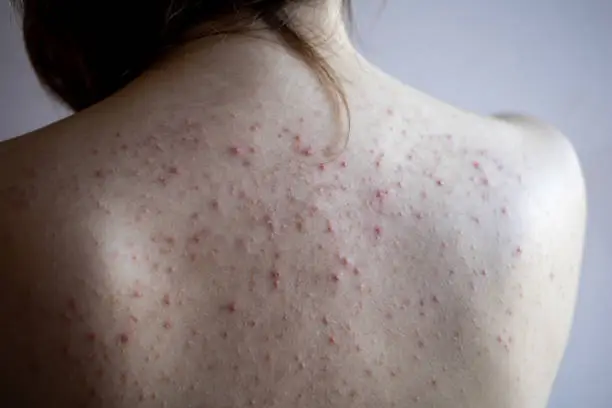
You cleanse diligently, apply your treatments, and stay consistent—yet your back keeps breaking out. Before blaming your skincare, consider what touches your back for sixteen hours a day: your clothing, towels, and bedding. Detergent residue, fabric softener, and bacteria that survive improper washing all transfer directly onto your skin. How to Treat Back Acne (كيفية علاج حب الشباب في الظهر) Understanding How to Treat Back Acne through laundry habits means addressing a trigger that most people never suspect, and one that produces noticeable improvement surprisingly quickly.
Why Laundry Habits Affect Back Acne
Detergent Residue Clogs Pores
Laundry detergent leaves residue in fabric fibres, especially in high-efficiency machines using less water. That residue transfers to your skin, clogging follicles and irritating the barrier throughout the day.
Fabric Softener Creates a Waxy Film
Fabric softener and dryer sheets coat fibres with a waxy layer designed to feel soft. That same coating transfers onto skin, trapping oil, sweat, and bacteria against the back.
Bacteria Survive Cool Washes
Washing workout clothing in cold water with a short cycle may not eliminate bacteria. These organisms remain in the fabric and transfer back onto freshly cleansed skin.
Damp Storage Encourages Growth
Clothing left damp in a hamper or washing machine develops bacterial and fungal growth. Wearing these items reintroduces organisms directly onto acne-prone areas.
Fragrance and Dyes Irritate Skin
Scented detergents and coloured dyes frequently cause irritation that mimics or worsens acne, particularly on skin already compromised by active breakouts. When patients learn How to Treat Back Acne through laundry changes, many notice improvement within two to three weeks without altering any skincare product.
Choosing the Right Detergent
Fragrance-Free Formulas
Choose detergents labelled fragrance-free rather than unscented, since unscented products may contain masking fragrances that still irritate skin.
Dye-Free Options
Coloured detergents can leave trace residue that irritates sensitive skin. Dye-free formulas reduce this risk.
Hypoallergenic and Sensitive-Skin Varieties
These are formulated with fewer potential irritants and are generally safer for acne-prone skin.
Liquid Over Powder
Powder detergents sometimes dissolve incompletely, especially in cold water, leaving residue in fabric. Liquid formulas rinse more thoroughly.
Avoid "Extra Fresh" or "Sport" Scents
These products typically contain higher fragrance loads that transfer to skin and trigger irritation. A Best treatment for back acne routine always includes what your clothing is washed with.
Why to Skip Fabric Softener Entirely
The Waxy Residue Problem
Fabric softener works by depositing a lubricating film on fibres. That film is exactly what clogs pores when it transfers onto your back.
Dryer Sheets Cause the Same Issue
Dryer sheets apply a similar coating, and the residue builds up with repeated use. Removing both from your routine often produces rapid improvement.
Wool Dryer Balls as an Alternative
Wool dryer balls reduce static and soften fabric mechanically without leaving chemical residue. They are a safe replacement for dryer sheets.
White Vinegar in the Rinse Cycle
Half a cup of white vinegar in the rinse dispenser naturally softens fabric and helps remove detergent residue. The vinegar smell disappears once clothing dries.
Baking Soda for Odour Control
Adding half a cup of baking soda to the wash cycle neutralises odours without fragrance or residue. People refining How to Treat Back Acne often find these simple substitutes work better than commercial softeners.
Washing Techniques That Protect Skin
Use the Right Amount of Detergent
More detergent does not mean cleaner clothes. Excess detergent leaves residue that transfers to skin. Follow label guidance and reduce for high-efficiency machines.
Add an Extra Rinse Cycle
An additional rinse removes residual detergent from fibres. This is particularly valuable for people with sensitive or reactive skin.
Wash Workout Clothing Separately
Gym clothes carry heavy bacterial loads. Washing them apart from everyday clothing prevents cross-contamination.
Use Warm or Hot Water for Activewear
Hot water eliminates bacteria more effectively than cold. Reserve cooler washes for delicate garments that do not contact acne-prone areas.
Wash After Every Wear
Workout clothing, sports bras, and base layers should be washed after a single use. Everyday shirts worn against the back should be washed frequently, especially in warm weather. Those mastering How to Treat Back Acne treat laundry frequency as non-negotiable.
Clean the Washing Machine Monthly
Residue and bacteria accumulate in washing machines over time. Running a hot cycle with white vinegar or a machine cleaner keeps the drum hygienic.
Bedding, Towels, and Other Fabrics
Wash Sheets Weekly
Sheets collect oil, sweat, and bacteria overnight. Weekly washing in hot water with fragrance-free detergent keeps them skin-friendly.
Change Pillowcases More Often
Pillowcases contact skin nightly and accumulate residue quickly. Changing them every few days supports clearer skin.
Rotate Towels Frequently
Damp towels harbour bacteria that transfer directly onto freshly cleansed skin. Rotate every few days and always after workouts.
Skip Softener on Towels
Fabric softener reduces absorbency and leaves residue. Towels dry better and feel cleaner without it.
Wash Bras and Straps Regularly
Bras, sports bras, and bag straps contact the back directly. Wash them frequently and replace worn items with rough edges.
Clean Gym Bags and Mats
These items harbour bacteria and contact your skin during exercise. Wipe them down regularly and wash fabric versions when possible.
Storage and Handling Habits
Dry Clothing Completely
Damp garments encourage bacterial and fungal growth. Ensure clothing is fully dry before wearing or storing, particularly in humid climates.
Avoid Leaving Clothes in the Machine
Wet laundry left in the washing machine develops musty odours and bacterial growth within hours. Transfer to the dryer or drying rack promptly.
Store in Clean, Dry Spaces
Damp closets and drawers encourage mould and bacteria. Ensure storage areas are ventilated and dry.
Separate Clean and Dirty Laundry
Never mix worn clothing with clean items. This simple separation prevents contamination.
Change Out of Damp Clothing Immediately
Workout gear, swimwear, and sweaty shirts should come off as soon as practical. Prolonged contact with damp fabric is a common trigger regardless of how well it was washed. A Best treatment for back acne routine includes this habit alongside skincare.
Supporting Habits That Enhance Results
Shower Promptly After Sweating
Prompt rinsing prevents bacteria from multiplying in trapped sweat, complementing clean clothing habits.
Choose Breathable Fabrics
Loose cotton and moisture-wicking materials reduce friction and heat. Tight synthetics trap sweat even when freshly washed.
Rinse Hair Products Before Washing Your Body
Conditioner residue clogs back pores. Washing hair first prevents this entirely.
Keep a Spare Clean Shirt Available
Carry one for after workouts or long commutes in warm weather. Changing quickly prevents prolonged exposure to damp fabric.
Manage Heat and Humidity
In hot climates, change clothing more frequently and shower more often. Adjusting to conditions prevents predictable flare-ups.
When to Seek Professional Help
Persistent Breakouts Despite Changes
If breakouts continue after twelve weeks of adjusted laundry habits and consistent skincare, professional assessment is appropriate.
Deep or Painful Lesions
Nodular acne requires prescription treatment and carries higher scarring risk. Early intervention protects skin texture.
Suspected Contact Dermatitis
If irritation persists despite fragrance-free products, patch testing can identify specific allergens, including dyes and preservatives.
Customised Guidance
A Best treatment for back acne plan should account for your skin sensitivity, climate, and daily habits. Dermatologists can help identify triggers you may have overlooked.
Final Thoughts: Clean Clothes, Clearer Skin
Laundry habits are one of the most overlooked contributors to persistent back acne. Detergent residue, fabric softener, bacteria, and fragranced products all transfer onto your skin continuously. Switching to fragrance-free detergent, skipping softener, washing frequently in hot water, and adding an extra rinse removes these hidden triggers. Understand How to Treat Back Acne as something that includes your closet as much as your skincare shelf, and clearing becomes considerably easier.
For those seeking expert guidance and customized aesthetic care, you can book an appointment consultation at the 'Enfield Royal Riyadh(إنفيلد رويال الرياض).
FAQs
Can laundry detergent cause back acne?
Yes, residue left in fabric transfers to skin, clogging pores and irritating the barrier.
Is fabric softener bad for back acne?
Yes, it leaves a waxy film on clothing that traps oil, sweat, and bacteria against the skin.
What detergent is best for acne-prone skin?
Fragrance-free, dye-free, hypoallergenic liquid detergent used in the correct amount.
How often should I wash clothes touching my back?
Wash workout clothing after every wear, and everyday garments frequently, especially in warm weather.
Does an extra rinse cycle help?
Yes, it removes residual detergent from fibres and reduces irritation for sensitive skin.


Share this page with your family and friends.